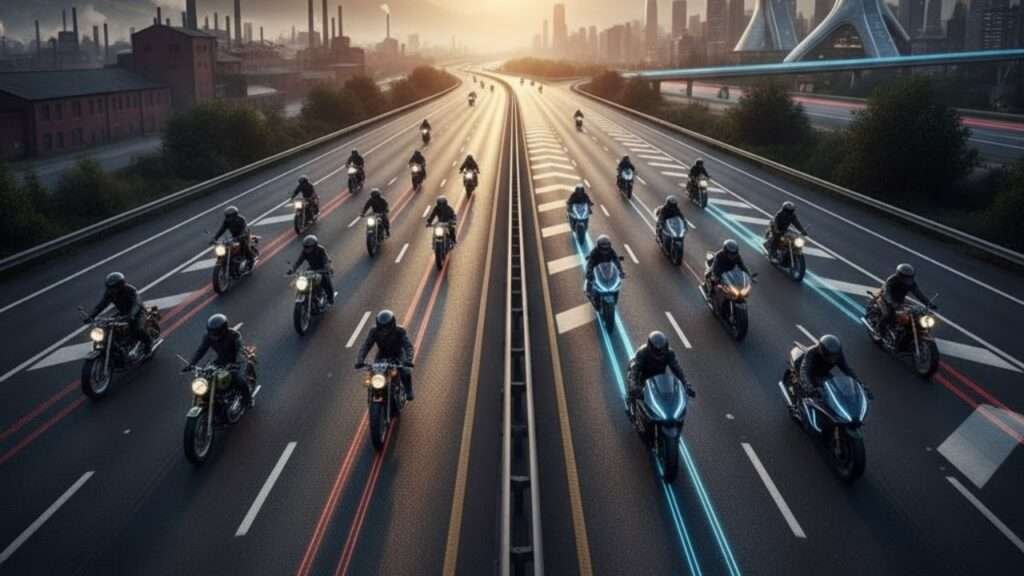
The Vast Ecosystem of the Motorcycle World.
Disclaimer
This article is intended for informational and educational purposes only.
It reflects the author’s own research, analysis and commentary on motorcycle branding, marketing and related business strategies.
Any thoughts, views, opinions, or ideas expressed are solely those of the author.
References to specific companies, products, or brand names are included strictly for illustrative and educational purposes.
They should not be interpreted as endorsements, criticisms, or official statements from the brands themselves.
Readers are encouraged to consult qualified professionals before making any business, financial, or strategic decisions.
Article Summary.
Motorcycle brands are more than machines, they’re cultural icons, lifestyle markers, and communities in motion.
This article explores how enduring motorcycle brands thrive by weaving together heritage, vision, resilience, partnerships, and community.
Through global case studies and practical frameworks, it shows how brands can balance nostalgia with innovation, simplify their offerings, and build movements that extend far beyond products.
My aim is to provide both inspiration and food for thought—particularly for those working in marketing and brand‑building roles.
Yet the ideas here will resonate with anyone seeking to renew, evolve, or re‑imagine their brand story in today’s shifting mobility landscape.
At its core, the motorcycle brand ecosystem reveals a universal truth: the most powerful brands don’t just sell products—they sell meaning, belonging, and transformation.
Top 5 Takeaways.
1. Sell belonging, not bikes. Identity beyond products is the true engine of loyalty.
2. Anchor in heritage. Place, culture, and origin stories create authenticity competitors can’t fake.
3. Lead with vision. A bold, future‑oriented narrative (EVs, sustainability, freedom) sets brands apart.
4. Treat community as the customer. Riders, clubs, and ecosystems are the heartbeat of brand strength.
5. Turn setbacks into comebacks. Reinvention through adversity builds trust and endurance.
Table of Contents
1. Beyond the Machine: Why Riders Buy Into Meaning, Not Metal.
2. Geography And Other Factors That Shape Motorcycle Identity.
3. Guided by the Horizon: Vision as the Compass of a Brand.
4. From Setback to Comeback: Reinventing Through Adversity.
5. Shared Roads, Shared Stories: Partnerships That Amplify Brands.
6. Timeless Roar, Future Drive: Balancing Legacy and Innovation.
7. The Beauty of Less: Clarity as a Brand’s Edge.
8. The Tribe Behind the Throttle: Community as the Real Customer.
9. Riding Into Renewal: Symbols That Signal Transformation.
10. Lessons from the Road: Stories of Brand Evolution and Missteps.
11. Epilogue: The Endless Ride.
12. Final Lessons: Riding Beyond the Brand.
1.0 Beyond the Machine: Why Riders Buy Into Meaning, Not Metal
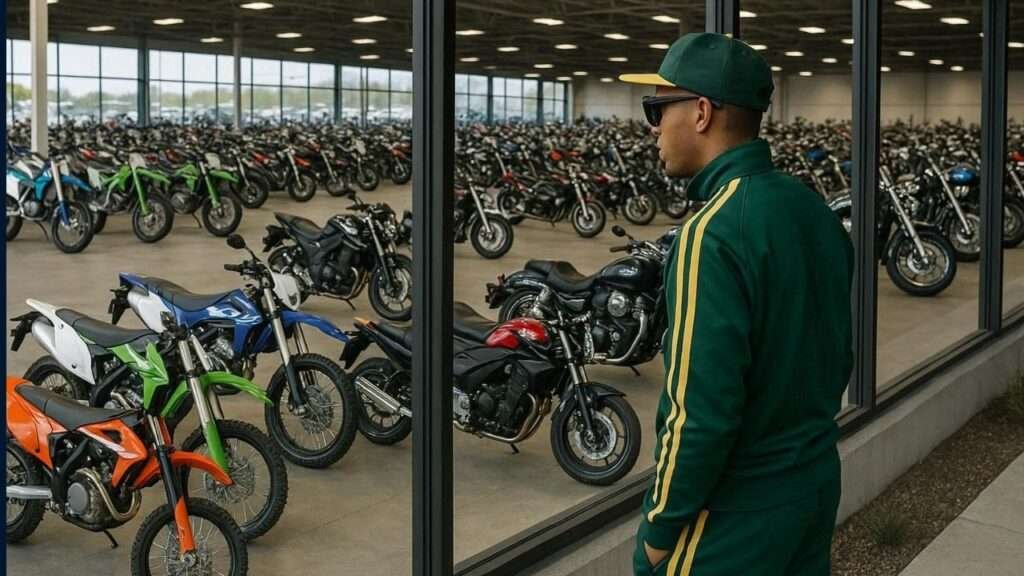
When someone purchases a motorcycle, they are rarely buying a method of transportation. The decision transcends horsepower specifications, torque curves, or fuel efficiency ratings.
For many, the first motorcycle is less a purchase than an investment in identity.
It might be something they’ve always dreamed of, a practical choice for commuting, a weekend escape, or simply the thrill of trying something new.
Whatever the reason, the bike they are drawn to almost always reflects something deeper. It has to feel right. It fits a narrative that has been quietly forming in their mind for years.
Among the dozens of bikes on display, there will be one, perhaps two, that makes sense. Eventually, one will stand out, it will feel like a statement of who they are, what they want, and the version of themselves they hope to explore. More often than not, it’s the bike that makes them smile the most.
This is why the emotional connection in choosing a motorcycle is far stronger than in choosing a car. Cars are wonderful, of course, but for those seeking out a motorcycle, there are things a car simply cannot provide.
There is a certain something else in play that might be hard to describe and at some point, it’s an itch that has to be scratched.
The next thing you know, you find yourself standing outside a motorcycle shop, gazing inward at the rows of gleaming machines and you realize: you are in exactly the right place, you are right where you need to be.
Motorcycles have always been and will always remain, deliberate lifestyle choices. Each ride is a conscious decision to engage with the world differently.
Consumer psychology confirms this: people form emotional attachments to brands that mirror their self‑concept and values.
In categories where products serve as identity markers, this attachment intensifies. A motorcycle is not just a machine, it’s a mirror, a companion and possibly even a declaration.
Choosing a motorcycle brand, then, is not about engineering specifications alone. It is about aligning with a tribe, a philosophy, a particular way of moving through the world.
Chrome, leather and exhaust notes become extensions of personality, visible and audible declarations of independence, fun, adventure, or rebellion.
They weave stories into their machines, narratives that echo timeless human needs: the desire for freedom, the yearning for authentic experience, the need to belong to something larger.
Their true product is not the motorcycle itself, but the transformation that begins the moment a rider swings a leg over the seat, especially that very first time.
This explains why loyalty in the motorcycle industry often reaches levels that puzzle other manufacturers.
Riders don’t just prefer their brand, they absolutely love it and they’ll organize their lives around brand‑specific events and defend their choice with passionate intensity. They have invested not just money, but identity itself.
For brand builders, this presents both opportunity and responsibility.
The opportunity lies in creating meaning that transcends metal and mechanics.
The responsibility lies in honouring that emotional investment with authenticity, reliability, performance, consistency, and genuine respect for the community that forms around the brand.
Understanding this foundation, that riders buy into meaning, not metal, sets the stage for exploring how successful motorcycle brands build and sustain that meaning across generations.
2.0 Geography And Other Factors That Shape Motorcycle Identity.
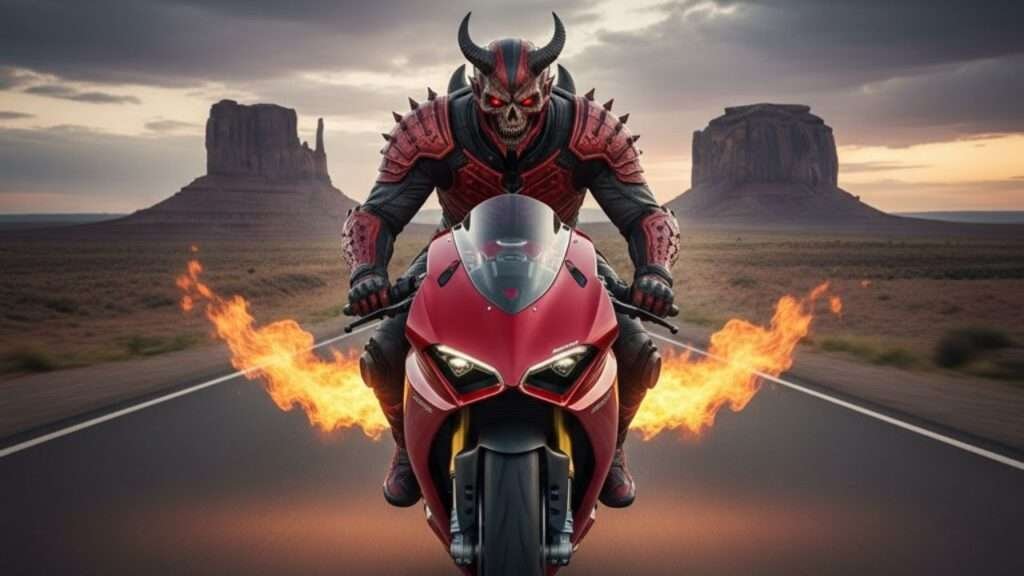
Geography isn’t just backdrop in motorcycle branding, it is often the primary source of authenticity. The place where a brand originates becomes woven into its DNA, shaping everything from design philosophy to cultural resonance.
2.1 The Worldwide Passion For Harley-Davidson Motorcycles.
Harley‑Davidson’s Milwaukee roots exemplify this phenomenon.
The brand’s identity remains inseparable from America’s industrial heartland: the blue‑collar work ethic, the open roads of the American West, the sound of American steel.
Even as Harley expanded globally, that Milwaukee heritage, real factories, real workers, real American grit, anchored its authenticity.
When the company faced criticism for considering offshore manufacturing, the backlash revealed how deeply place matters to brand identity.
2.2 The Prestige And Power Associated With the Ducati Brand.
Across the Atlantic, Ducati’s Bolognese heritage (its founding in Bologna in 1926 as a radio equipment manufacturer – Società Scientifica Radio Brevetti Ducati) tells a different story.
Emerging from Italy’s post‑war industrial renaissance, Ducati was shaped by the country’s passion for design, performance, and racing culture.
Bologna, nestled in Italy’s Motor Valley alongside Ferrari, Lamborghini, and Maserati, provided both technical expertise and aesthetic sensibility.
Ducati motorcycles don’t just perform; they embody la bella figura, the Italian concept of beautiful form.
Their desmodromic valve system and trellis frame aren’t merely engineering solutions; they are expressions of Italian design philosophy.
2.2.1 Why Casey Stoner’s Ducati Years Mattered So Much.
1. 2007 MotoGP Title: Stoner won 10 races in a single season on the Desmosedici GP7, delivering Ducati its first MotoGP riders’ championship and its first manufacturers’ title in 34 years.
2. The “Beast” Reputation: The Ducati was notoriously difficult to ride, its brutal power delivery and aggressive handling unsettled many top riders. Stoner, however, seemed to thrive on it, mastering the bike’s savagery and turning its flaws into weapons.
3. Iconic Riding Style: His powerslides, corner entries, and ability to “wrestle” the Ducati’s huge power at impossible lean angles became viral images and highlight reels. This cemented him as a cult hero and gave Ducati an aura of raw, untamed performance.
4. Fan Impact: For Ducati riders and enthusiasts worldwide, Stoner’s mastery seemed to boost their passion. Ducati wasn’t just an much love Italian brand anymore, it was the one that toppled Honda, Suzuki, Kawasaki and Yamaha at the highest level.
2.2.2 Ducati Sales and Brand Halo.
While exact sales figures are hard to pin directly to Casey Stoner’s MotoGP dominance, there’s little doubt in my mind that his 2007 World Championship win on his Ducati ‘Red Devil’ was a watershed moment for the brand, both commercially and culturally sales did see growth in the late 2000s, though the financial crisis of 2008 tempered the boom.
Still, the halo effect of Stoner’s championship was surely undeniable: Ducati’s racing success translated into stronger brand desirability, especially for models like the 1098 superbike, which echoed the MotoGP machine’s aggressive DNA.
It would be another 15 years before Ducati could celebrate another rider championship via Francesco Bagnaia.
2.2.3 The Legacy Of Stoner On The Ducati.
Casey Stoner’s partnership with Ducati is remembered as one of the most electrifying chapters in MotoGP history.
His ability to tame the Desmosedici, the iconic “man-over-machine” narrative that resonated worldwide not only delivered silverware but also redefined Ducati’s global image, from niche Italian exotic to a brand synonymous with absolutely incredible performance.
2.3 A British Name, An Indian Heart: The Royal Enfield Legacy.
Royal Enfield’s journey reveals how place can evolve while remaining authentic.
Originally British, the brand found new life in India after its UK operations closed.
Rather than viewing this as a loss of heritage, Royal Enfield embraced its Indian identity while honouring its British roots.
The result is a brand that speaks to both colonial nostalgia and contemporary Indian pride, offering accessible motorcycles that respect tradition while serving emerging markets.
The Himalayan, designed specifically for Indian roads and conditions, demonstrates how place‑based authenticity can drive innovation.
2.4 The Japanese Big 4: Honda, Yamaha, Kawasaki, and Suzuki.
Each of the Big 4 carry distinct geographic and cultural imprints.
Honda’s origins in post‑war Japan reflect Soichiro Honda’s vision of mobility for the masses, blending engineering precision with a philosophy of reliability and accessibility.
Yamaha, born from a musical instrument company, infused its motorcycles with a sense of harmony and performance artistry.
Kawasaki’s roots in heavy industry gave its machines a reputation for raw power and engineering muscle.
Suzuki’s agricultural beginnings shaped its pragmatic, versatile approach.
Together, these brands transformed motorcycling into a truly global phenomenon, yet each still carries the unmistakable DNA of Japanese craftsmanship, discipline, performance, reliability and innovation.
2.5 European brands like BMW, Triumph, Moto Guzzi And KTM.
These brands do a great job of embodying their origins.
1. BMW’s Bavarian engineering heritage emphasizes precision, touring comfort and Teutonic reliability.
2. Triumph, reborn from the ashes of British decline, still carries the romance of the UK’s motorcycling golden age while embracing modern reinvention.
3. KTM, forged in the rugged landscapes of Austria, built its reputation on off‑road dominance and “Ready to Race” performance, a philosophy inseparable from the Alpine terrain that shaped it.
4. Moto Guzzi is one of the oldest and most historic motorcycle manufacturers in the world and continues to produce new bikes with their distinctive transverse V-twin engines. The brand remains tied to its Mandello del Lario roots on the shores of Lake Como, where its factory has stood since 1921, a great testament to Italian endurance.
2.6 Why Motorcycle Geographic Foundations Matter.
To me, the reason geographic origins matter when it comes to motorcycles is because they provide narrative coherence.
Riders don’t just want quality motorcycles; they want motorcycles with stories, with roots, with cultural legitimacy.
A brand’s origin becomes shorthand for its values and character.
Yet place‑based authenticity requires genuine commitment.
Brands that manufacture globally while claiming heritage from a specific location face scrutiny. The challenge lies in maintaining authentic connections to place even as business realities demand geographic diversification.
Successful brands find ways to honour their roots, through design centres, heritage collections, limited production runs, or community investments that keep the geographic narrative alive and credible.
In an era of globalization and digital commerce, I believe place paradoxically matters more than ever.
Riders increasingly seek authenticity in a world of mass production and algorithmic marketing.
A motorcycle brand’s geographic roots provide that authenticity, offering cultural depth that cannot be replicated through marketing spin alone.
2.6 Other Factors That Matter In The World Of Motorcycles.
While geography and heritage provide the foundation of motorcycle identity, they are not the only forces at play. Several other factors—technological, cultural, and experiential—combine to shape how riders perceive and connect with brands.
2.6.1 Technology and Innovation.
a) Advancements in engineering, safety, and performance continually redefine expectations.
b) ABS braking, traction control, ride‑by‑wire systems, and adaptive suspension have become benchmarks of modernity.
c) Brands like Honda and BMW Motorrad are often associated with reliability and cutting‑edge technology, while KTM and Ducati emphasize performance innovation.
2.6.2 Racing Pedigree and Competition.
a) Success on the track translates into credibility on the street. MotoGP, World Superbike, and Dakar Rally victories become part of a brand’s mythology.
b) Yamaha’s MotoGP dominance, Kawasaki’s World Superbike streak, and KTM’s Dakar Rally supremacy reinforce their reputations as performance leaders.
c) Racing heritage not only validates engineering but also fuels aspirational desire among riders.
2.6.3 Design and Aesthetics.
a) Motorcycles are as much about how they look and feel as how they perform.
b) Italian brands like Ducati and Moto Guzzi lean heavily on design artistry, while Triumph and Royal Enfield emphasize timeless silhouettes.
c) The emotional pull of design—colour, stance, sound—often outweighs technical specifications in purchase decisions.
2.6.4 Community and Lifestyle Associations.
a) Clubs, rallies, and online forums amplify brand culture.
b) Harley‑Davidson’s HOG, Royal Enfield’s Rider Mania, and BMW GS Trophy are examples of how events and communities extend brand meaning far beyond the showroom.
c) These experiences transform ownership into belonging.
2.6.5 Media, Film, and Pop Culture.
a) Iconic appearances in film and media cement motorcycles as cultural symbols.
b) From Steve McQueen’s Triumph in The Great Escape to Tom Cruise’s Kawasaki in Top Gun, pop culture moments elevate brands into legend.
c) Social media now plays a similar role, with viral content shaping perceptions globally.
2.6.6 Sustainability and Future Readiness.
a) With electrification and environmental consciousness rising, brands are judged on their ability to adapt.
b) Zero Motorcycles, Energica, and Harley’s LiveWire show how sustainability narratives are becoming central to brand identity.
c) Riders increasingly want to know not just what they ride, but what it stands for in a changing world.
2.6.7 Price, Accessibility, and Practicality.
a) Affordability and ease of ownership remain critical.
b) Suzuki and Honda have long been associated with accessible, reliable machines, while premium brands like Ducati and BMW cultivate exclusivity.
c) The balance between aspiration and accessibility often determines market reach.
3.0 Guided by the Horizon: Vision as the Compass of a Brand.
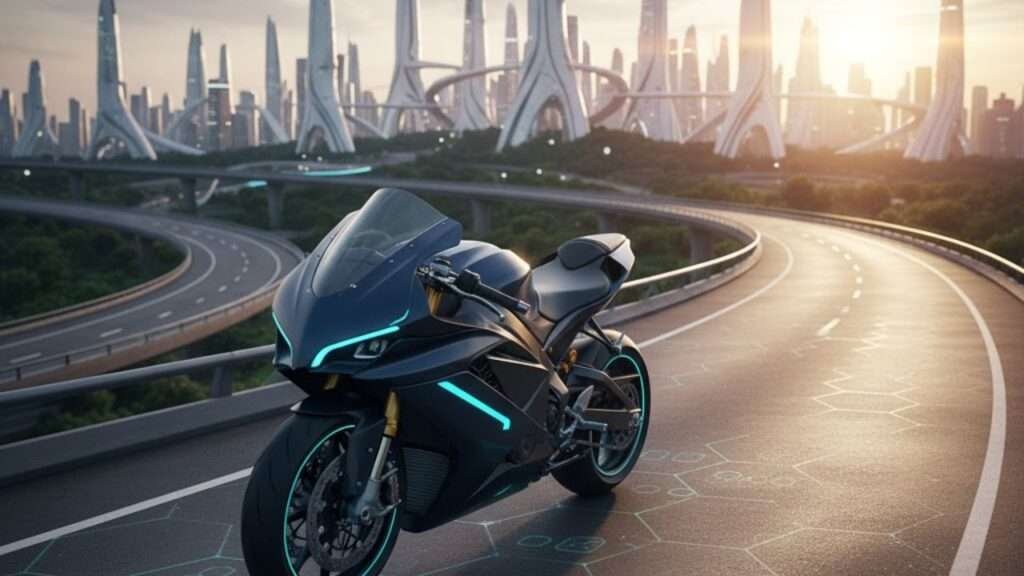
If heritage anchors a brand in where it has been, vision propels it toward where it might go. Origin stories provide authenticity and rootedness, but vision supplies the forward momentum that transforms brands from custodians of the past into architects of the future.
Vision, in the context of motorcycling, is not a product roadmap or a quarterly sales target. It’s a compass, a clear articulation of how the world is changing and what role motorcycling will play in that future.
It answers the question: Why will this brand matter in ten or twenty years?
The electric vehicle transition illustrates this distinction vividly.
Some brands see electrification as a threat to their identity, particularly those whose essence is tied to the visceral rumble of internal combustion.
Others see opportunity. Zero Motorcycles built its entire identity around electric propulsion, positioning itself not as a traditional company forced to adapt, but as a pioneer shaping motorcycling’s future.
Established brands face more complex challenges. Harley‑Davidson’s LiveWire initiative was an attempt to articulate a future vision while preserving heritage.
The effort revealed the tension inherent in such transitions, longtime enthusiasts questioned whether an electric Harley could still be authentically Harley.
Yet the initiative also signalled to younger, urban, environmentally conscious riders that the brand would not be left behind by technological change.
Vision, however, extends beyond propulsion. Some brands articulate futures centred on sustainability, rethinking not just products but manufacturing, supply chains, and lifecycle responsibility.
Others focus on connectivity, imagining motorcycles integrated into broader mobility ecosystems.
Still others envision motorcycling’s role in increasingly urbanized societies, where two wheels may become the most liberating and efficient way to move.
What distinguishes compelling vision from corporate rhetoric?
Three qualities come to mind:
1. Specificity: Vague statements about “embracing innovation” or “meeting customer needs” lack the clarity that galvanizes stakeholders. Effective vision paints a vivid picture of a future state and the brand’s distinctive role in achieving it.
2. Consistency: Vision requires sustained commitment. Brands that announce bold directions and then retreat when challenges arise erode credibility. The most powerful visions persist across leadership changes, market cycles, and competitive pressures.
3. Courage: Authentic vision often requires unpopular decisions. It may mean alienating some existing customers to attract new ones, investing heavily in uncertain technologies, or questioning assumptions that built the brand’s past success. Without courage, vision collapses into aspirational marketing.
For riders, vision functions as both promise and invitation. It promises that the brand will not stagnate, that their investment in affiliation will remain relevant.
It invites them to participate in shaping the future, not just consuming products. Vision transforms customers into stakeholders with shared purpose.
In this current era, vision may be the ultimate differentiator.
Heritage establishes credibility but vision determines longevity. The brands that thrive will be those that look beyond the machine to the horizon, declaring not only what they build, but what they believe the future of riding can and should be.
4.0 From Setback to Comeback: Reinventing Through Adversity.
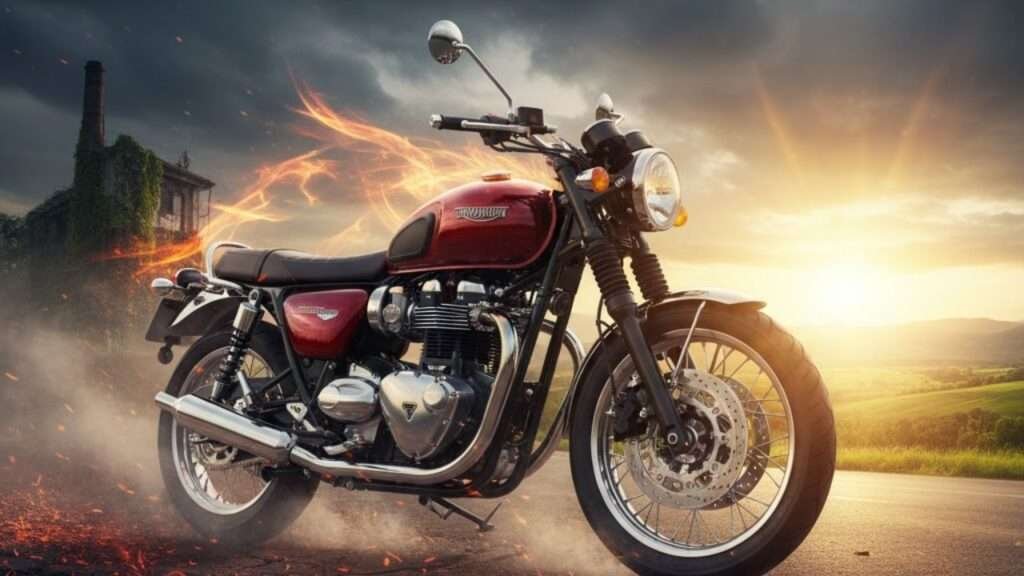
Few forces shape a brand’s identity more profoundly than adversity.
Market downturns, technological disruption, shifting demographics, or outright collapse, these crucibles test not just a company’s balance sheet but its soul.
And when navigated with honesty and courage, adversity becomes the raw material for some of the most powerful brand stories ever told.
Triumph Motorcycles embodies this truth. By the early 1980s, the legendary British marque was on life support.
Outdated designs, labor disputes, and relentless Japanese competition had driven it into bankruptcy.
Production ceased in 1983, seemingly closing the book on a story that began in 1902. Yet what followed was not an obituary but a resurrection.
Businessman John Bloor acquired the rights, invested years in rebuilding modern facilities and relaunched Triumph in 1991, not as a nostalgia act, but as a thoroughly modern manufacturer.
The new Triumph honored its heritage while proving it had learned from past mistakes. Today, Triumph thrives globally, and its comeback narrative itself has become a brand asset: riders don’t just buy motorcycles, they buy into the story of a phoenix that refused to die.
Harley‑Davidson faced its own reckoning in the early 1980s.
Quality issues and Japanese imports nearly crushed the company.
With government tariff protection and a renewed focus on engineering excellence, Harley clawed its way back.
Unlike Triumph, Harley never stopped production, but the crisis forced it to reinvent its processes, tighten quality, and double down on community.
The scars of that near‑death experience became part of its mythology, reinforcing Harley’s image as a survivor.
Indian Motorcycle offers another lesson. Once a proud American rival to Harley, Indian collapsed in the 1950s after years of mismanagement.
Multiple revival attempts failed until Polaris Industries acquired the brand in 2011. Polaris approached Indian’s heritage with respect but not sentimentality, blending iconic design cues with modern engineering. The result was a credible rebirth that re‑established Indian as a serious global competitor.
Even the Japanese giants had a few issues. Honda, Yamaha, Kawasaki, Suzuki, have faced adversity, though often less existential.
Economic recessions, oil crises, and shifting consumer tastes forced them to adapt. Honda’s pivot from small commuter bikes in post‑war Japan to global dominance in every segment was not a straight line, it required constant reinvention, from the Super Cub to MotoGP to electric prototypes.
From these stories, five principles of resilience emerge:
1. Acknowledge reality without surrender. Brands that deny problems or blame external forces lose credibility. Those that face challenges head‑on, while maintaining confidence in recovery, earn respect.
2. Preserve selectively. Not everything from the past deserves saving. Successful reinvention identifies the core worth protecting and discards the rest.
3. Practice patience with purpose. Quick fixes rarely endure. Triumph’s decade‑long rebuild proved more sustainable than rushed comebacks.
4. Earn the return. Brands cannot simply declare themselves “back.” They must prove it through consistent performance and let results speak louder than marketing.
5. Make adversity part of the story. Riders relate to struggle and redemption. A brand that survives hardship becomes more than a company—it becomes a metaphor for resilience.
Adversity narratives resonate because they mirror the human condition.
Every rider knows what it feels like to fall, to rebuild, to come back stronger.
When a brand embodies that same arc, it forges a bond that transcends product.
In the end, the most enduring motorcycle brands are not those that never stumble, but those that stumble, rise, and ride again—stronger, wiser, and more authentic than before.
5.0 Shared Roads, Shared Stories: Partnerships That Amplify Brands.

No motorcycle brand rides alone. The partnerships they form, with other companies, cultural movements and communities shape perception and extend reach in ways that solitary marketing never could.
Partnerships are not just tactical alliances; they are narrative accelerators, amplifying what a brand stands for and who it stands with.
5.1 Corporate Collaborations.
a) Luxury Crossovers: Ducati’s collaboration with Lamborghini produced limited‑edition motorcycles that fused Italian design obsessions across two industries. The partnership wasn’t just about co‑branding—it was a celebration of shared heritage, performance, and artistry.
b) Pop Culture Tie‑Ins: Harley‑Davidson’s work with Marvel Comics brought iconic characters to life on two wheels, introducing the brand to younger audiences while reinforcing Harley’s place in American mythology. These partnerships succeed because they feel organic, both brands traffic in storytelling and larger‑than‑life identity.
5.2 Grassroots and Community Partnerships.
a) Rider Clubs and Events: Harley’s HOG (Harley Owners Group) and Royal Enfield’s Rider Mania show how brands can empower communities rather than control them. By sponsoring rallies, supporting local clubs, and providing resources, brands earn goodwill that advertising dollars alone can’t buy.
b) Custom Builders: Collaborations with independent builders and garages, think Yamaha’s Yard Built program—demonstrate respect for creativity at the grassroots level. These partnerships generate authenticity and keep brands connected to the culture of customization.
5.3 Technology Partnerships.
As motorcycles become more connected, partnerships with tech companies are no longer optional.
BMW Motorrad’s integration with Bosch for rider assistance systems, or Harley’s work on connected infotainment, signal innovation and future‑readiness.
These alliances reassure riders that their brand is not just keeping pace with change but helping to shape it.
5.4 Environmental and Social Partnerships.
Younger riders increasingly expect brands to contribute positively to society. Partnerships with conservation groups, sustainable technology developers, or urban mobility initiatives demonstrate values beyond profit.
For example, KTM’s involvement in electric off‑road projects shows how a performance‑driven brand can also embrace sustainability.
5.5 Influencer and Creator Partnerships.
Unlike traditional celebrity endorsements, today’s most effective partnerships come from genuine enthusiasts.
When riders with authentic followings share their experiences—whether on YouTube, Instagram, or TikTok, their advocacy carries more weight than polished campaigns.
The best partnerships feel less like advertising and more like storytelling.
5.6 Four Principles of Effective Partnerships.
1) Value Alignment: Partners should share fundamental values, even if they operate in different categories.
2) Mutual Benefit: The strongest collaborations create value for all parties—including customers.
3) Authenticity: Forced or opportunistic tie‑ins generate skepticism. The best partnerships feel inevitable once announced.
4) Strategic Clarity: Each partnership should advance a clear objective—whether reaching new audiences, reinforcing positioning, or building new capabilities.
Brand strength is increasingly depending on ecosystem quality, not just individual capability. The partnerships a motorcycle brand cultivates reveal its values, ambitions, and understanding of its role in broader cultural and commercial landscapes.
6.0 Timeless Roar, Future Drive: Balancing Legacy and Innovation.
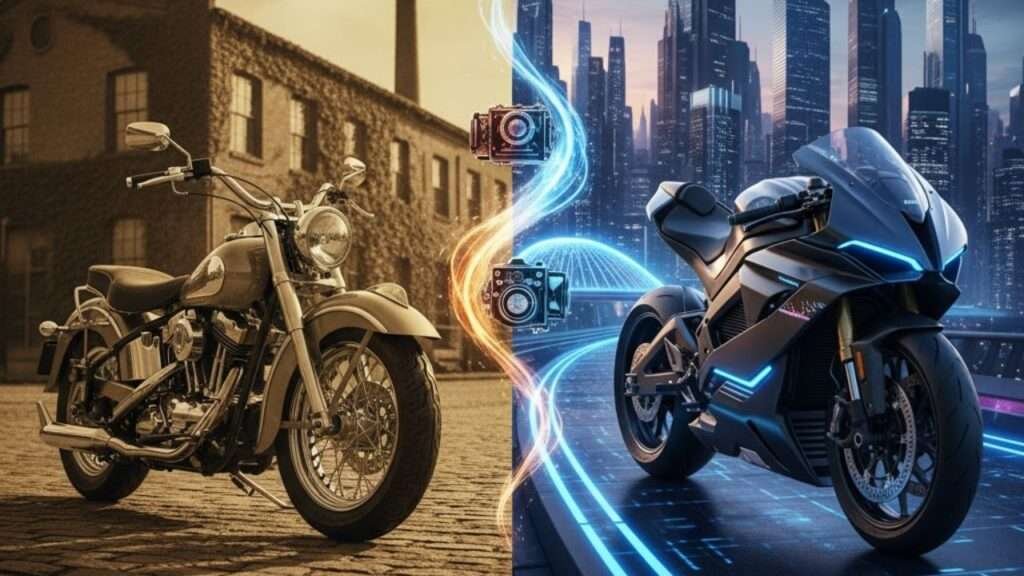
Few challenges provoke more anxiety for motorcycle brands than the tension between heritage and innovation.
Lean too heavily on the past, and a brand risks irrelevance. Chase novelty too aggressively and it risks alienating loyal riders who see change as betrayal.
The brands that thrive are those that learn to weave the two together—turning legacy into a launchpad rather than an anchor.
Indian Motorcycle offers a compelling example.
After decades of failed revival attempts, Polaris Industries acquired the brand in 2011 and demonstrated how respect for heritage need not preclude modern innovation. New Indian models retained the visual DNA of their forebears, deep fenders, iconic silhouettes and heritage paint schemes while incorporating contemporary engineering, electronics, and comfort features.
The Scout, launched in 2015, epitomized this balance: a name and aesthetic rooted in the early 20th century, paired with a liquid‑coolled V‑twin, modern chassis, and competitive pricing. Heritage felt relevant, not antiquated.
Harley‑Davidson faces this balancing act daily.
Its V‑twin engines, cruiser styling, and American identity are non‑negotiable pillars of brand essence. Yet chrome, carburetors, and kick‑starters are historical artifacts that can evolve without threatening authenticity.
Harley’s LiveWire project showed both the promise and peril of innovation: a bold leap into electrification that excited new audiences but unsettled traditionalists. The lesson is clear—brands must distinguish between what is core and what is context.
Triumph’s Bonneville line demonstrates another approach and the retro‑modern design is a classic.
The styling cues house thoroughly modern engineering, offering riders the comfort of familiarity with the assurance of reliability.
This ‘best of both worlds’ strategy has proven remarkably effective, though it carries the risk of brands becoming museums if they never move beyond reinterpretation of past designs.
KTM, by contrast, leans heavily into innovation.
However, at the same time it honours its “Ready to Race” ethos.
Its dominance in off‑road and MotoGP shows how a brand can evolve technologically without losing its soul.
Similarly, BMW Motorrad has managed to retain its Bavarian touring DNA while pushing into electric concepts and advanced rider‑assistance systems.
The challenge intensifies with disruptive technologies: electric propulsion, AI‑driven safety systems, autonomous features, and hyper‑connectivity.
These innovations can feel antithetical to the raw, visceral essence of motorcycling. Yet the brands that succeed will be those that frame innovation not as a replacement for soul, but as an extension of it.
Five Principles for Balancing Legacy and Innovation.
1) Clarify the Core. Explicitly articulate which elements of identity are sacred and which can evolve.
2) Communicate Continuity. Show riders what remains constant even as technology changes.
3) Introduce Change Gradually. Incremental evolution allows adaptation without backlash.
4) Offer Choice. Maintain heritage‑focused and innovation‑forward products side by side.
5) Celebrate Both Past and Future. Frame heritage and innovation as complementary, not competing.
For riders, this balance is deeply psychological. Long‑time customers often resist change, fearing loss of what first drew them in.
New riders, however, may view excessive heritage focus as stagnation.
Brands cannot please everyone simultaneously, but they can offer clarity, choice, and narrative coherence.
When it comes to motorcycles, the brands that endure recognize that legacy and innovation are not opposites but partners.
Heritage provides authenticity, cultural depth and emotional resonance. Innovation provides relevance, competitive advantage, and future viability.
The challenge is not choosing between them, but weaving them into a coherent story that roars with the past while driving into the future.
7.0 The Beauty of Less: Clarity as a Brand's Edge.

In an era of infinite choice and constant noise, clarity becomes a rare and powerful differentiator.
Motorcycle brands that embrace simplicity in their product lines, their messaging and their identity, often build stronger, more enduring connections than those that chase complexity.
Royal Enfield is perhaps the clearest modern example. While competitors expanded into every conceivable niche, Royal Enfield doubled down on a focused range of middleweight motorcycles with classic styling and accessible prices.
This discipline made decision‑making easier for customers and allowed the brand to refine its core offering rather than scatter resources across dozens of models.
The Himalayan epitomizes this philosophy. Instead of launching a sprawling adventure lineup, Royal Enfield introduced a single, purpose‑built motorcycle designed for real‑world conditions.
Its simple, repairable design aligned with the brand’s ethos of accessibility while serving genuine rider needs.
By resisting feature bloat, the Himalayan felt approachable rather than intimidating—a tool for adventure, not a gadget.
This clarity extends beyond products to messaging. Royal Enfield doesn’t try to be everything to everyone.
Its communication consistently reinforces a few core themes: accessible adventure, timeless design, community, and the simple joy of riding.
Over time, this consistency compounds into trust and recognition.
Contrast this with brands that have stumbled under the weight of complexity. When product lines balloon, customers face decision paralysis.
When messaging tries to appeal to contradictory audiences, it resonates with none. When identity becomes muddled through acquisitions or opportunistic partnerships, confusion replaces clarity.
Clarity does not mean lack of ambition. It means disciplined focus on what matters most.
Honda’s Super Cub is a masterclass in this principle: a simple, reliable, affordable motorcycle that became the best‑selling motor vehicle in history.
Its clarity of purpose, mobility for the masses—was never diluted, and its cultural impact endures decades later.
Five Dimensions of Clarity in Branding.
1) Product Line Clarity: Each model serves a distinct purpose without excessive overlap.
2) Design Simplicity: Clean aesthetics that prioritize function over unnecessary flourish.
3) Message Consistency: Communication that reinforces core themes rather than chasing trends.
4) Experience Simplicity: Straightforward purchasing, ownership, and community engagement.
5) Value Transparency: Clear articulation of what customers receive for their investment.
The psychological appeal of simplicity runs deep. Complexity creates cognitive load, forcing customers to expend energy on decisions.
Simplicity removes that burden, freeing space for emotional connection.
In crowded, mature markets, simplicity also creates contrast.
When competitors compete through feature accumulation, brands that offer clarity stand out as havens of focus.
Riders overwhelmed by choice often gravitate toward the brand that makes the decision feel obvious.
Yet pursuing simplicity requires courage. It means saying no to tempting opportunities, resisting the urge to chase every trend, and sometimes sacrificing short‑term sales to preserve long‑term clarity.
Not every organization has the discipline to do this.
The ones that do, however, often build deeper loyalty and stronger identity than larger, more complex rivals.
They become brands riders can easily explain, confidently recommend, and proudly belong to. In a world of clutter, clarity is not just an edge, it is a beacon.
8.0 The Tribe Behind the Throttle: Community as the Real Customer.
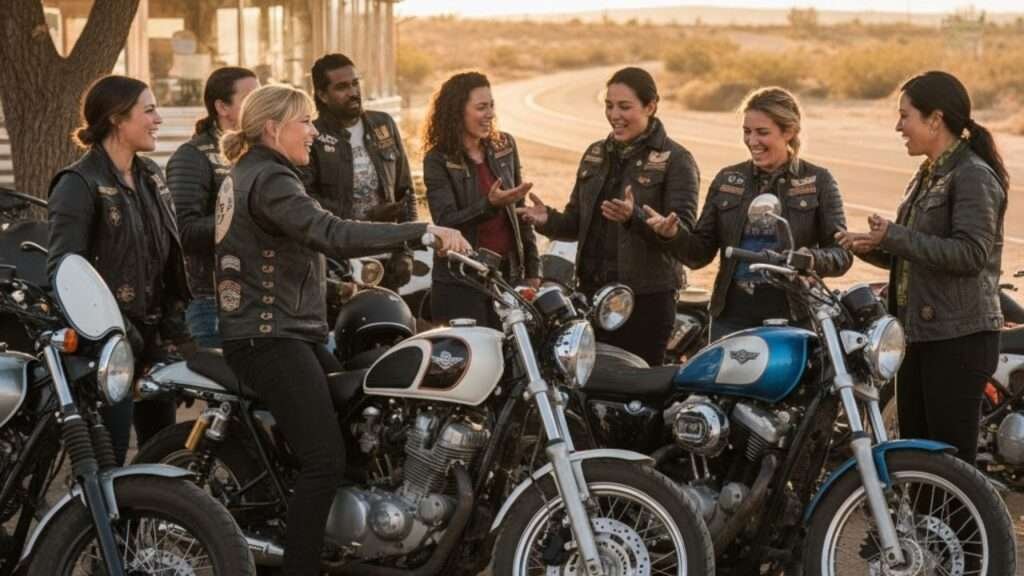
Motorcycles may be engineered in factories, but motorcycle brands are built in communities. Riders don’t just buy machines, they join tribes, adopt rituals and participate in movements that extend far beyond the showroom floor.
The most enduring motorcycle brands understand this truth: their real engine of loyalty is not horsepower, but human connection.
Harley‑Davidson provides the archetype.
The Harley Owners Group (HOG), founded in 1983, transformed ownership into belonging. Rallies like Sturgis and Daytona became pilgrimages, where riders reaffirmed their identity not just as motorcyclists, but as Harley riders.
The brand’s success lies not only in selling motorcycles, but in cultivating a culture where the motorcycle is a ticket into a lifelong fraternity.
Royal Enfield has embraced a similar path in India and beyond. Its annual Rider Mania festival in Goa attracts thousands of enthusiasts, creating a sense of shared adventure and cultural pride.
By investing in community events, Royal Enfield turned its motorcycles into symbols of collective identity, particularly among younger riders seeking authenticity and camaraderie.
Ducati’s Desmo Owners Clubs and BMW’s GS Trophy illustrate how European brands leverage community to reinforce their positioning.
Ducati’s clubs celebrate Italian passion and performance, while BMW’s global adventure challenges embody exploration and endurance.
Both transform ownership into participation, making riders feel like stakeholders in the brand’s ongoing story.
Community also thrives in the digital age. Online forums, YouTube channels, and social media groups allow riders to share stories, modifications, and journeys.
A viral video of a KTM tearing through Dakar dunes or a Honda Cub navigating crowded Asian streets can inspire global audiences, reinforcing brand mythology in real time.
4 Reasons Why Motorcycling Communities Matter.
1) Identity Reinforcement: Belonging to a group validates personal choices and strengthens loyalty.
2) Shared Storytelling: Communities generate narratives that marketing alone could never invent.
3) Advocacy and Defence: Passionate communities defend their brands against criticism and evangelize to new riders.
4) Longevity: Even when products evolve, communities preserve continuity of meaning.
The strongest brands recognize that they are not simply selling motorcycles, they are curating ecosystems of belonging.
They provide the stage, but the riders write the script.
9.0 Riding Into Renewal: Symbols That Signal Transformation.
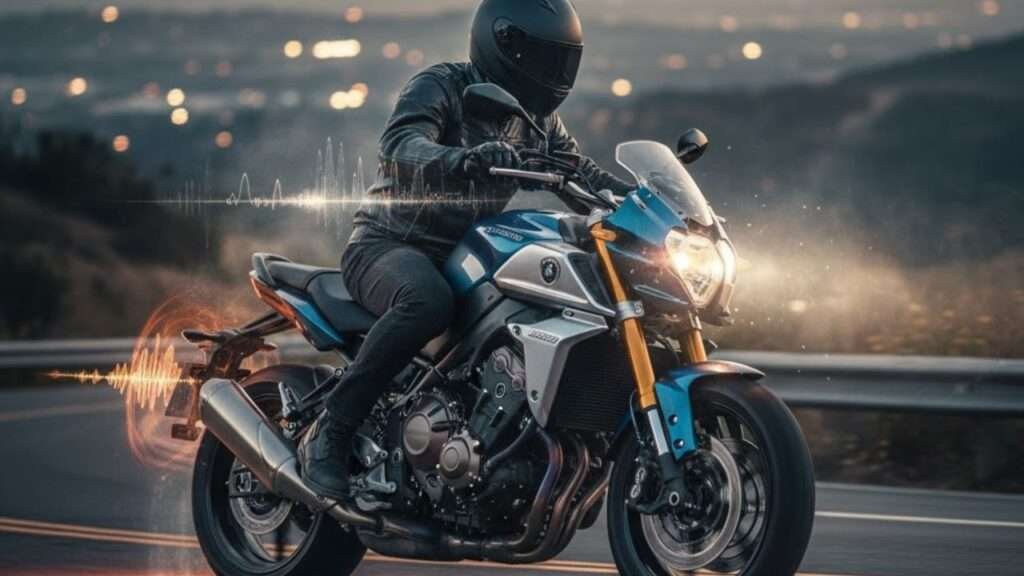
Motorcycles are not just seen; they are felt. Unlike most consumer products, motorcycles engage the full spectrum of human senses. The strongest brands understand this and deliberately cultivate sensory signatures that become inseparable from their identity.
Sound is perhaps the most powerful. Harley‑Davidson famously attempted to trademark the distinctive “potato‑potato” rhythm of its V‑twin exhaust, recognizing that the sound itself was as iconic as the logo.
Ducati’s dry clutch rattle and desmodromic growl, Triumph’s triple‑cylinder whine, and KTM’s aggressive bark all serve as audible fingerprints.
Riders don’t just hear these sounds—they internalize them as emotional triggers, capable of evoking nostalgia, pride, or adrenaline in an instant.
Touch and Feel matter just as much.
The vibration of a Royal Enfield single, the silky smoothness of a Honda inline‑four, or the raw pulse of a BMW boxer twin all communicate brand character through the body. These tactile cues create intimacy between rider and machine, reinforcing identity with every mile.
Visual Identity extends beyond logos and paint schemes.
Ducati’s trellis frames, BMW’s horizontally opposed engines and Kawasaki’s lime‑green racing livery are instantly recognizable even at a distance.
Design language becomes shorthand for brand philosophy, Italian elegance, German precision, Japanese performance and American muscle.
Smell and Atmosphere may be less discussed, but they are no less powerful.
The faint tang of oil and fuel in a garage, the scent of leather gear, the ozone of rain on hot asphalt, these sensory associations embed themselves in memory, binding riders to experiences and, by extension, to brands.
4 Ways That Why Sensory Branding Matters.
1) Differentiation: In a crowded market, sensory cues create instant recognition.
2) Emotional Anchoring: Senses bypass rational analysis and connect directly to memory and emotion.
3) Community Rituals: Shared sensory experiences like the roar of engines at a rally, reinforce belonging.
4) Defensive Moat: Sensory signatures are difficult for competitors to replicate authentically.
The challenge for brands lies in preserving these sensory identities while adapting to new technologies.
Electric motorcycles, for example, lack the visceral exhaust notes that defined much of motorcycling’s mythology.
Some brands experiment with artificial soundscapes, while others lean into silence as a new kind of purity. The question is not whether sensory branding will survive, but how it will evolve.
For riders, these sensory cues are not trivial, they are the soul of the experience.
A motorcycle without sound, feel, or visual distinctiveness risks becoming just another vehicle. A motorcycle with them becomes unforgettable.
10.0 Lessons from the Road: Stories of Brand Evolution And Missteps.

Motorcycle brands may seem like a niche case study, but in truth they offer some of the most vivid lessons in modern branding. Few industries combine heritage, identity, community, and sensory experience so completely.
For brand builders in any sector, the motorcycle world provides a masterclass in how to create meaning that endures.
1. Sell Meaning, Not Just Products.
1) Riders don’t buy motorcycles for transportation alone—they buy identity, belonging, and transformation.
2) The same is true in every industry: the strongest brands sell what their products mean, not just what they do.
2. Anchor in Place, but Think Globally.
1) Harley’s Milwaukee grit, Ducati’s Motor Valley artistry, Royal Enfield’s Indian pride, and Honda’s Japanese precision all show how geography shapes authenticity.
2) Yet these brands also thrive globally by translating local roots into universal values.
3. Embrace Adversity as Narrative Fuel.
1) Triumph’s resurrection, Harley’s survival, and Indian’s rebirth prove that setbacks can become brand assets.
2) Customers respect resilience; they see their own struggles reflected in a brand’s comeback story.
4. Balance Legacy with Innovation.
1) The brands that endure are those that honor their DNA while adapting to new realities.
2) Heritage without innovation risks irrelevance; innovation without heritage risks alienation. The art lies in weaving both together.
5. Build Movements, Not Just Markets.
1) Harley’s HOG, Royal Enfield’s Rider Mania, Ducati’s Desmo Owners Clubs—these communities are the true engines of loyalty.
2) Brands that create belonging outlast those that only transact.
6. Harness the Power of the Senses.
1) The roar of a Harley, the rattle of a Ducati clutch, the silhouette of a Triumph Bonneville—these sensory cues are brand assets as valuable as logos.
2) In every industry, sensory branding creates emotional anchors that competitors struggle to replicate.
7. Simplify to Amplify.
1) Royal Enfield’s focused lineup and Honda’s timeless Super Cub prove that clarity beats clutter.
2) In a world of overwhelming choice, simplicity is not a limitation—it’s a competitive edge.
What’s The Universal Truth?
At their core, motorcycle brands remind us of a universal truth, “The most powerful brands don’t just sell products, they sell meaning, belonging and transformation.”
For marketers, entrepreneurs, and leaders in any field, the road ahead is clear.
Build with authenticity. Honour your roots. Embrace change with courage.
Create communities, not just customers and above all, remember that people don’t invest in what you make; they invest in what you mean.
11.0 Epilogue: The Endless Ride.
Every motorcycle story is, at its heart, a story about movement.
Not just the movement of wheels on asphalt, but the movement of identity, culture, and meaning across generations.
From Milwaukee to Bologna, from Tokyo to Chennai, from the Alpine passes of Austria to the wide‑open plains of America, motorcycles have carried more than riders, they have carried dreams.
The lessons drawn from this world extend far beyond motorcycling. They remind us that brands are not built in boardrooms alone, but in the lived experiences of people who choose to make them part of their lives.
They remind us that heritage is not a weight but a compass, that innovation is not a threat but a promise, and that community is not an accessory but the very engine of loyalty.
For riders, the road is never just a strip of tarmac. It is a canvas for freedom, a stage for belonging, and a mirror for the self.
For brand builders, the same truth applies: the work is never just about products, but about the journeys those products enable, the identities they affirm, and the futures they help imagine.
The motorcycle industry, with all its triumphs and setbacks, its legends and its loyalists, offers a timeless reminder, “The brands that endure are those that make people feel part of something larger than themselves.”
And so the ride continues.
The machines will evolve, the technologies will change, the markets will shift.
However, the essence, the yearning for freedom, the thrill of belonging, the roar of identity, will remain. The road ahead is endless and the story is still being written, one rider, one brand, one journey at a time.
12.0 Final Lessons: Riding Beyond the Brand.
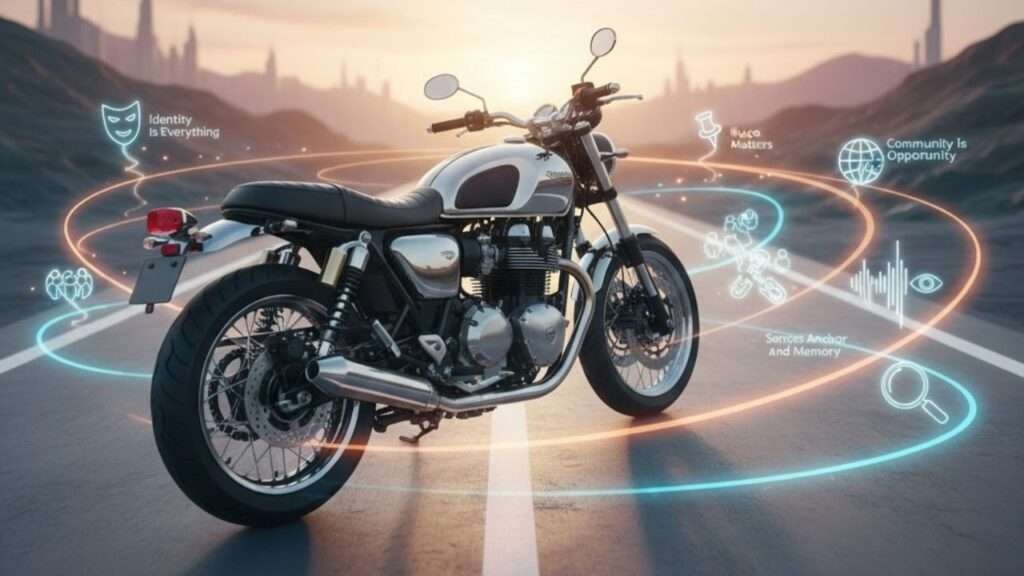
The motorcycle industry teaches us that brands are not static—they are living, breathing stories that evolve with their riders.
From Harley’s Milwaukee grit to Ducati’s Italian artistry, from Royal Enfield’s Indian reinvention to Honda’s global reliability, the lesson is clear, “The strongest brands are those that balance roots with relevance, heritage with horizon.”
For those working in the marketing and brand building arenas, the road ahead is illuminated by seven timeless truths:
1) Identity is Everything. Products may change, but identity endures. Define it clearly, protect it fiercely, and let it guide every decision.
2) Place Matters. Authenticity is grounded in origin. Even in a globalized world, roots provide credibility that marketing spin cannot replicate.
3) Adversity is Opportunity. Setbacks are not the end of the story—they are the crucibles that forge resilience and deepen loyalty.
4) Community is the Engine. Customers may buy once, but communities sustain for generations. Build movements, not just markets.
5) Senses Anchor Memory. Sound, feel, and design are not superficial—they are the soul of the experience. Never underestimate their power.
6) Clarity Wins. Simplicity cuts through noise. Focused offerings and consistent messaging create trust and recognition.
7) Balance Past and Future. Heritage without innovation risks irrelevance; innovation without heritage risks alienation. The art lies in weaving both.
I think the challenge is not to copy the motorcycle industry, but to learn from its essence, so why not ask yourself:
1) What does my brand mean beyond its product?
2) What community am I building, and how am I honouring it?
3) What legacy am I preserving, and what future am I creating?
The answers to these questions will determine not just market share, but cultural impact.
Because in the end, the lesson of motorcycling is the lesson of branding itself: people don’t invest in machines, they invest in meaning.
13.0 Bibliography.

1) Investment Biker: Around the World with Jim Rogers by Jim Rogers
2) Motocross: The Golden Era by Tony Wood
3) Triumph: The Story of the Legendary Motorcycle by Mike Armitage
4) Honda Motor: The Company and the Men Who Made It by Tetsuo Sakiya
5) The One Percenter Encyclopedia by Bill Hayes
6) BSA Motorcycles – The Final Evolution by Brad Jones
7) Triumph: The Art of the Motorcycle by Zef Enault & Michael Levivier
8) The Honda Valkyrie Enthusiast Guide by Peter Rakestrow
9) BMW Airhead Twins: The Complete Story by Phil West
10) A-Z of Italian Motorcycle Manufacturers 1st Edition
11) The Triumph Tiger Cub Bible by Mike Estall
12) Barry Sheene: The Official Photographic Celebration by Andy Smith
13) Proficient Motorcycling: The Ultimate Guide to Riding Well by David L. Hough
14) Simple Motorcycle Maintenance Tasks to Save You Thousands by Harry Swann
15) Hangmen: Riding With an Outlaw Motorcycle Club in the Old Days
16) Harley-Davidson Branding Strategy and Marketing Case – Map & Fire
17) How Harley Davidson’s Marketing Strategy Makes Its One – Avada
18) Victory Motorcycles: Ride One and You’ll Own One – MMA Global
19) Motorcycle market steady in first half of 2025 – FCAI
20) The best motorcycle books: One man’s list – Revzilla
21) Instagram case study: Harley Davidson uses carousel – Digital Training Academy
22) Must Read Books for Bikers – Devitt Insurance
23) Sincerity: Chinese Branded Motorcycles in Africa – Harvard Business Review
24) The Essence of Brand Loyalty in the Motorcycle Industry – CSM Research
25) BrandStruck: Harley-Davidson Brand Strategy – BrandStruck
26) Industry news Archives – Motorcycle Marketing
27) Simple Social Media Visuals: A Motorcycle Case Study – Forbes
28) Challenges and opportunities facing the motorcycle industry – Ricardo
29) Top 52 Most Popular eBooks on Motorcycling – AGVSport
30) Bumpus Harley-Davidson – Titan Digital – Titan Digital