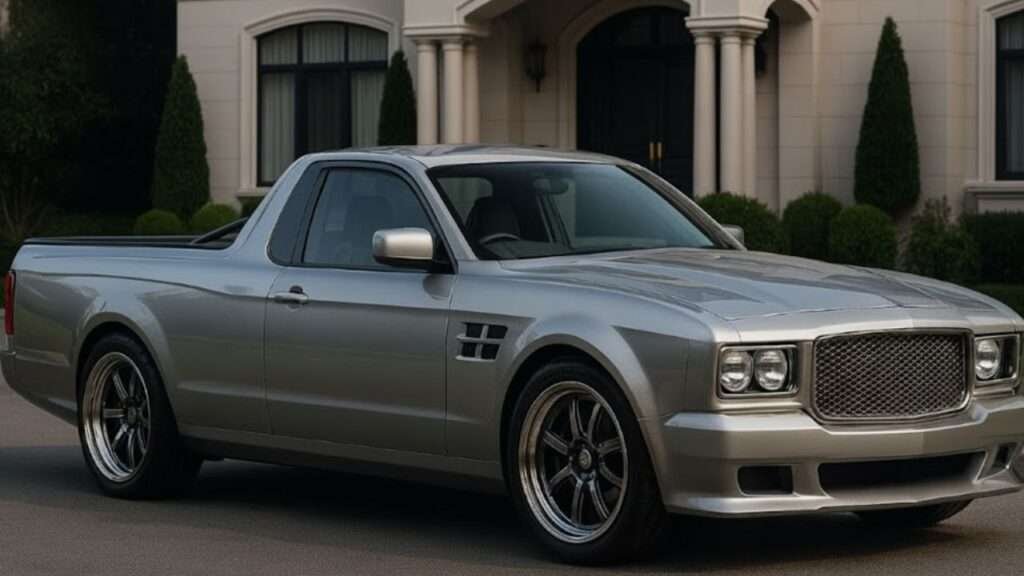
Enhance The Australian Vehicle Market With Another Coupe Utility
Disclaimer.
This article is intended for informational and educational purposes only.
It reflects research, industry data, and cultural analysis of the automotive market.
While every effort has been made to ensure accuracy, the content should not be interpreted as financial, legal, or professional advice.
Readers are encouraged to conduct their own due diligence and consult qualified professionals before making business, investment, or purchasing decisions.
The views, thoughts, opinions and ideas expressed are those of the author and are general in nature and not directed at any individual circumstances.
Article Summary.
The automotive marketplace is shaped by six enduring pillars of consumer desire: performance, driveability, visibility, practicality, grandeur, and price & warranty. These factors consistently influence purchasing decisions across vehicle categories, from sports cars to SUVs, sedans and utes.
This article explores how each pillar manifests in different vehicle types and how brands strategically market their strengths.
It then highlights a critical gap in the Australian market: the absence of the locally built coupe utility (ute) once produced by Ford and Holden.
These vehicles uniquely balanced all six pillars, offering rugged practicality, affordability, and cultural resonance.
Their disappearance has left tradespeople underserved and consumers forced into lifestyle‑oriented 4×4 utes that in my opinion, often compromise on work utility.
The conclusion makes the case for a modern Australian‑built coupe utility, designed for 2025 consumers but rooted in the legacy of vehicles that once defined our roads and our identity.
Visual Disclaimer.
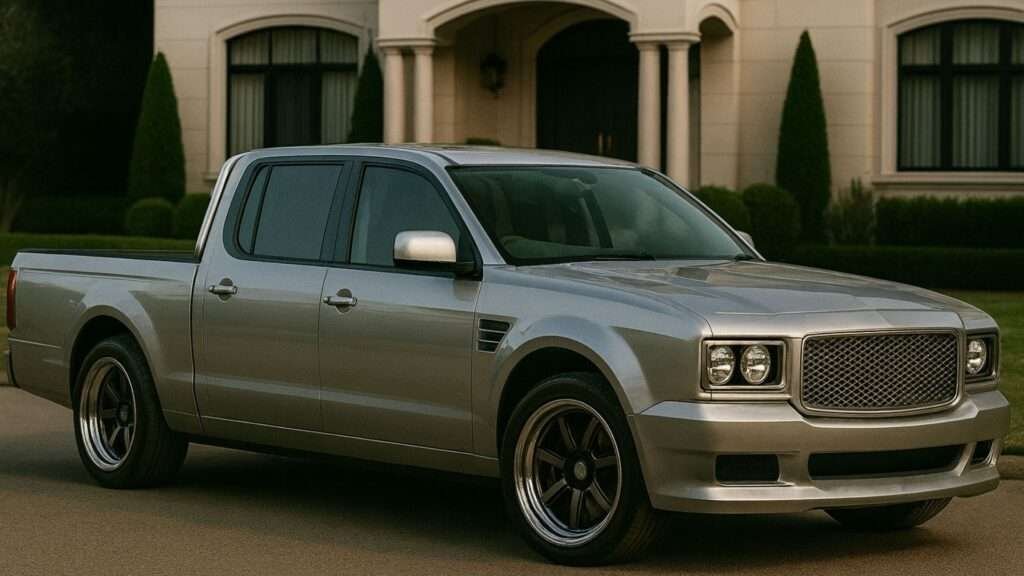
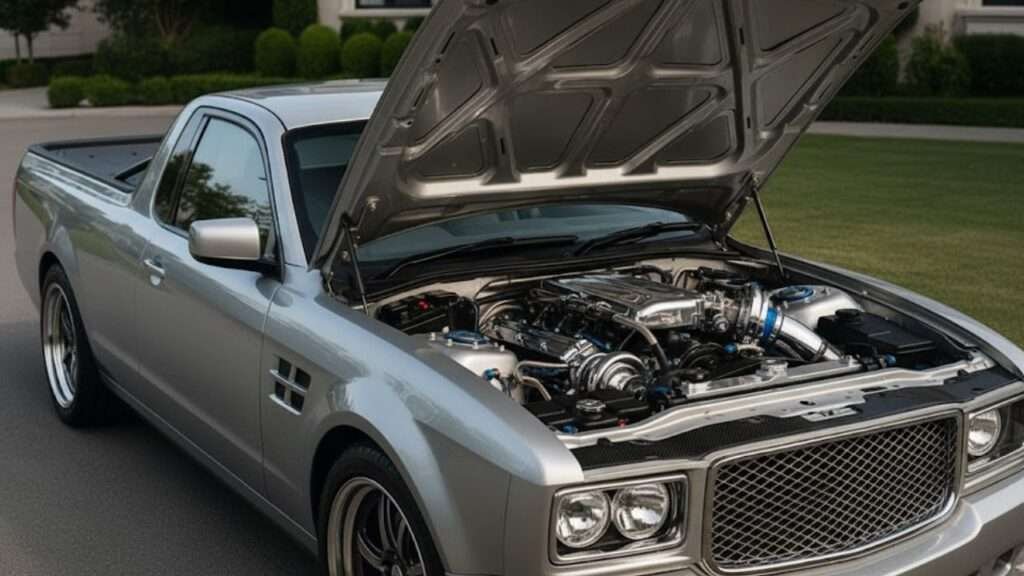
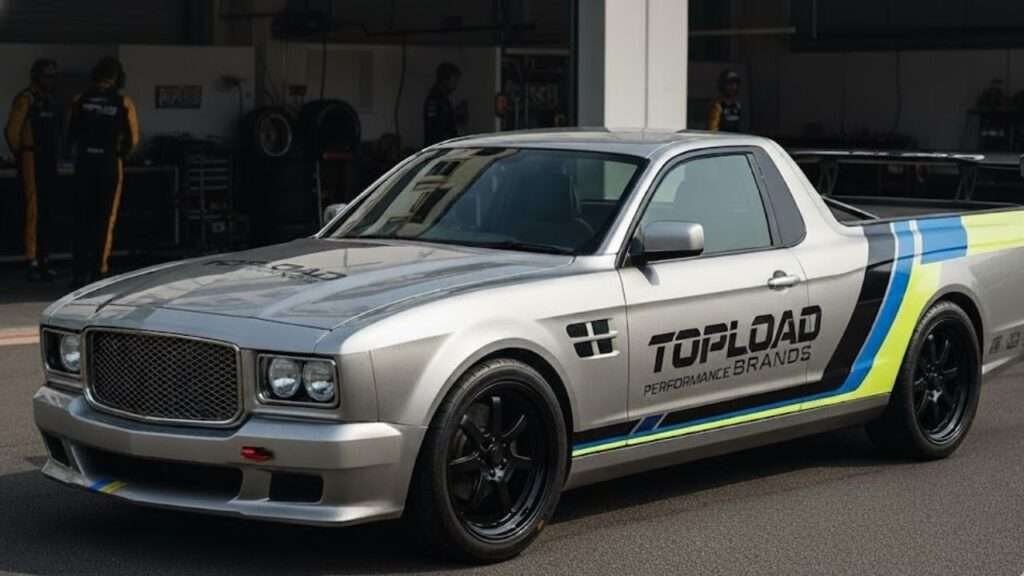
The vehicle images shown throughout this article are conceptual visualizations created to support the narrative.
They do not represent an existing product or prototype, but rather illustrate the design principles and market potential discussed herein.
Industry Invitation.
To all vehicle manufacturers and designers, consider this a blueprint, not just a critique. The conceptual images featured in this article are offered as inspiration.
If you see the same gap in the market that I do, please feel free to build the vehicle Australia needs.
A modern coupe utility, designed for todays Australian consumers but rooted in our legacy, could restore balance to the market and pride to our roads.
Top 5 Takeaways.
1. Six pillars define vehicle desirability: Performance, driveability, visibility, practicality, grandeur and price & warranty, across all consumer segments.
2. Different vehicle types lean on different pillars: Sports cars on performance and grandeur, SUVs on practicality and status, sedans on driveability and modern 4×4 utes on lifestyle ruggedness.
3. Practicality is the most under‑served pillar in today’s Australian market, particularly for tradespeople who need low load heights, integrated racks, and affordable ownership.
4. The Australian‑built coupe utility once balanced all six pillars, offering a rare combination of work utility, cultural identity, and affordability.
5. Reintroducing a modern coupe utility could fill a structural market gap, restoring balance to consumer choice while reviving a proud chapter of Australian automotive heritage.
Table of Contents.
1. Introduction: The Machine and the Myth.
2. Performance: The Eternal Benchmark.
3. Driveability: The Invisible Luxury.
4. Visibility: Safety Meets Confidence.
5. Practicality: The Everyday Hero.
6. Grandeur: The Emotional Multiplier.
7. Price & Warranty: The Rational Anchor.
8. The Missing Workhorse: Australia’s Lost coupe utility.
9. Conclusion: Rebuilding the Future with All Six Pillars.
10. Bibliography.
1.0 Introduction: The Machine and the Myth.
The automobile has always been more than a machine, it’s a mirror of our ambition, a vessel for personal freedom and a cultural shorthand for identity.
From James Dean’s Porsche 550 Spyder to the Holden Kingswood with polished hubcaps parked outside a suburban home, cars have carried not just people but entire narratives of who we are, what we do for a living and who we aspire to be.
Buying a vehicle is often the second‑largest financial decision most people make, yet the process is rarely governed by spreadsheets alone.
It is a negotiation between logic and longing, between the rational need for transport and the emotional pull of beauty, power, or prestige.
Across decades of consumer research and cultural history, six enduring factors consistently emerge as the architecture of automotive desire: performance, driveability, visibility, practicality, grandeur, and price & warranty. These are not marketing gimmicks or passing fads.
They are the bedrock considerations that shape every purchase decision, whether consciously or not.
This article will explore how these six pillars manifest across different vehicle categories, sports cars, SUVs, sedans, coupes, and utes, before turning to a uniquely Australian story: the disappearance of the locally built coupe utility.
By tracing how each pillar is emphasised or neglected across vehicle types, we will arrive at my conclusion that is both cultural and commercial.
Australia is missing a critical piece of its automotive puzzle and the case for a modern, Australian‑built coupe utility has never been stronger.
2.0 Performance: The Eternal Benchmark.
When most people hear the word performance, they think of horsepower, acceleration, and the thrill of speed.
However, I believe true performance is broader: it encompasses handling, braking, efficiency and safety under stress.
It is the measure of how well a vehicle fulfils its promise as a machine.
2.1 The Data Behind Desire.
According to J.D. Power and Deloitte’s Global Automotive Consumer Study, performance consistently ranks among the top three purchase drivers worldwide.
Consumers may not always use the word “performance,” but when they cite reliability, power, handling, or fuel economy, they are all describing performance metrics.
2.2 Performance as Brand Identity.
Ferrari and Porsche built empires on racing heritage, where every road car is a distilled version of track‑bred excellence.
Toyota Prius redefined performance in the 2000s, shifting the narrative from horsepower to fuel efficiency, making environmental consciousness a new form of status.
BMW, Mercedes‑Benz, and Audi each carved distinct reputations:
BMW as the “Ultimate Driving Machine,” Mercedes as the master of effortless power, and Audi as the pioneer of quattro all‑wheel drive.
2.3 The Electric Revolution.
Tesla’s Model S Plaid accelerates from 0–100 km/h in around 2 seconds, a feat once unimaginable outside of Formula One.
Brands like Rimac, Lucid, and Porsche have proven that electric drivetrains can deliver both blistering acceleration and long‑range practicality.
2.4 Safety as Performance.
Modern consumers increasingly view safety systems—automatic emergency braking, adaptive cruise control, lane‑keeping assist, as part of performance.
Studies by the IIHS and Euro NCAP show that vehicles with advanced safety performance significantly reduce accident rates.
2.5 Why Performance Endures.
I believe that performance is the core competence of any vehicle.
It is the quantifiable promise that this machine will do what it is supposed to do and do it better than its rivals.
Whether measured in seconds, kilometres per litre, or crash‑test stars, performance is the eternal benchmark by which vehicles are judged.
3.0 Driveability: The Invisible Luxury.
Performance may win headlines, but it is driveability that wins hearts over the long haul. Driveability is the quiet, everyday luxury of a vehicle that feels natural, intuitive, and effortless to operate.
It is the difference between a car that becomes a trusted companion and one that constantly reminds you of its flaws.
3.1 What Driveability Means.
It encompasses:
1. Ergonomics: How comfortably the driver and passengers fit, how naturally controls fall to hand.
2. Ride quality: The smoothness of suspension, the way the vehicle absorbs imperfections.
3. Ease of operation: Intuitive controls, logical interfaces, and predictable handling.
4. Fatigue reduction: Seating support, noise insulation, and visibility that keep drivers alert and comfortable.
3.2 The Evidence.
1. A 2019 study in the International Journal of Industrial Ergonomics found that poor ergonomics significantly increase fatigue and reduce alertness, directly impacting safety and satisfaction.
2. Consumer satisfaction surveys consistently show that comfort and ease of use are among the strongest predictors of long‑term brand loyalty.
3.3 Case Studies in Driveability.
1. Mazda’s “Jinba Ittai” philosophy (horse and rider as one) exemplifies driveability. Engineers obsess over steering feel, pedal resistance, and sightlines to create harmony between driver and machine.
2. Volvo’s orthopedic‑designed seats demonstrate how thoughtful ergonomics can transform long drives into comfortable experiences, reducing fatigue and improving safety.
3. BMW’s return to physical controls after experimenting with touchscreen‑only interfaces shows how consumer demand for intuitive operation can reshape design decisions.
3.4 Why Driveability Matters.
Driveability is rarely the star of marketing campaigns, yet it is the silent salesman that converts first‑time buyers into lifelong loyalists.
A vehicle with excellent driveability doesn’t just transport, it reassures, comforts, and empowers.
It makes the driver feel capable and in control, turning every commute into a smoother, safer, and more enjoyable experience.
In this way, driveability is not just a feature, it’s a relationship.
It is the subtle, daily reminder that the machine is working with you, not against you. In a world where consumers are bombarded with flashy features and performance claims, driveability remains the invisible luxury that quietly defines true satisfaction.
4.0 Visibility: Safety Meets Confidence.

Visibility is one of the most deceptively simple yet profoundly important aspects of vehicle design.
It is the driver’s ability to see and be seen, forward, backward, and to the sides and it directly shapes both safety and confidence behind the wheel.
Unlike horsepower or luxury trim, visibility rarely features in glossy advertisements, yet it is the quiet guardian of every journey.
4.1 What Visibility Encompasses.
1. Sightlines: The ability to judge corners, see pedestrians, and anticipate traffic.
2. Glass and pillars: Window size, pillar thickness, and cabin design all influence blind spots.
3. Lighting: Headlights, taillights, and adaptive systems that extend vision into the night.
4. Technology: Cameras, sensors, and driver‑assist systems that augment human vision.
4.2 The Evidence.
1. The Insurance Institute for Highway Safety (IIHS) found that vehicles with good rear visibility ratings had 25% fewer insurance claims for backing crashes compared to those with poor ratings.
2. Euro NCAP studies consistently link superior visibility with reduced accident rates across demographics.
3. IIHS research also shows that vehicles with high‑rated headlights have 20% fewer nighttime single‑vehicle crashes than those with poor lighting.
4.3 Case Studies in Visibility.
1. Volvo has long prioritised visibility, designing cabins with large glass areas and thinner pillars while still meeting crash standards. Their philosophy: preventing accidents through awareness is as vital as surviving them through protection.
2. Honda e demonstrates how electric vehicle design can improve visibility, with short overhangs and expansive glass enabled by the absence of a traditional engine bay.
3. Modern SUVs, by contrast, often sacrifice visibility for styling and crash structure, creating higher beltlines and thicker pillars that increase blind spots.
4.4 Why Visibility Matters.
Visibility is not glamorous, but it is indispensable. It is the guardian angel of the six pillars, silently reducing accidents, lowering insurance costs and giving drivers the confidence to navigate complex environments.
A vehicle may boast world‑class performance or luxury, but if the driver feels blind to their surroundings, the ownership experience is diminished.
In this way, visibility is both a safety feature and a psychological one.
It reassures drivers that they are in control, aware, and capable.
In a market where vehicles are growing larger and more complex, visibility remains the simplest, most human questions of all:
1. Can you see where you’re going?
2. Can you see what’s going on around you?
These two points govern everything from driver comfort on a long highway haul to pedestrian safety in an inner-city school zone.
For decades, the answer hinged on pillar thinness, glass area, and seating position. Today, with the rise of SUVs and massive dual-cab utes, the physics of sight lines has been fundamentally challenged.
Modern visibility is a negotiation between form and function, often solved not with more glass, but with more technology.
5.0 Practicality: The Everyday Hero.
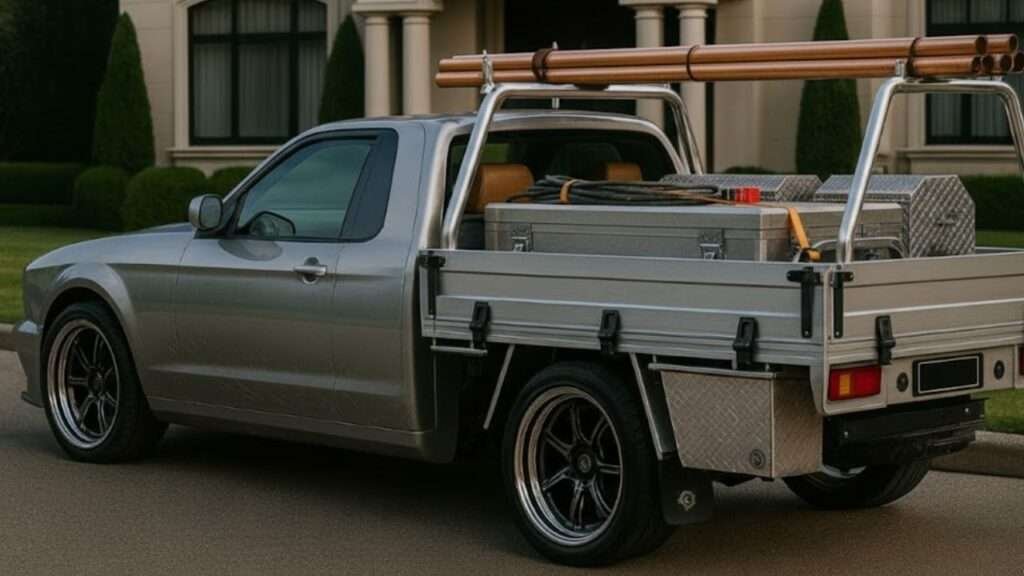
If performance is the heart of automotive desire and grandeur is its soul, then practicality is the steady backbone that supports daily life.
It is the measure of whether a vehicle truly serves its owner’s needs, not just on the day of purchase, but across years of ownership.
5.1 What Practicality Encompasses.
1. Cargo capacity: How much can it carry, and how easily can it be loaded?
2. Fuel economy: The weekly cost of running the vehicle.
3. Reliability and maintenance: How often it needs attention, and how expensive that attention is.
4. Versatility: Can it adapt to family life, work duties, and weekend escapes?
5. Ease of ownership: From intuitive infotainment to service networks and warranty coverage.
5.2 The Evidence.
1. Consumer Reports surveys consistently show that practicality factors—reliability, fuel economy, and cargo space—are the top reasons for repeat purchases.
2. Fuel economy alone can save or cost thousands over a vehicle’s lifespan. For example, a difference between 20 mpg and 40 mpg equates to $1,500 per year in fuel savings for the average commuter.
3. Reliability rankings from Toyota, Honda, and Lexus demonstrate how practicality builds brand loyalty across generations.
5.3 Case Studies in Practicality.
1. Honda Civic and Toyota Corolla: Global icons of practicality, selling tens of millions of units by offering reliability, efficiency, and affordability.
2. Minivans and SUVs: Despite their lack of glamour, they dominate family transport because they solve real problems—sliding doors, fold‑flat seats, and all‑weather capability.
3. Subaru: Built its brand on all‑wheel drive practicality, appealing to consumers in regions where winter mobility is non‑negotiable.
5.4 Why Practicality Matters.
Practicality is the unsung hero of the six pillars. It rarely inspires poetry, but it earns something more valuable: trust.
A practical vehicle becomes part of the family, a reliable partner in navigating life’s demands. It is the reason people buy the same model again and again, not because it dazzles, but because it never lets them down.
In the Australian context, practicality takes on an even sharper edge. For tradespeople, farmers, and regional drivers, practicality is not optional, it is survival.
This is where the absence of the locally built coupe utility becomes most glaring: a vehicle once designed around sheer practicality, now missing from the market.
6.0 Grandeur: The Emotional Multiplier.
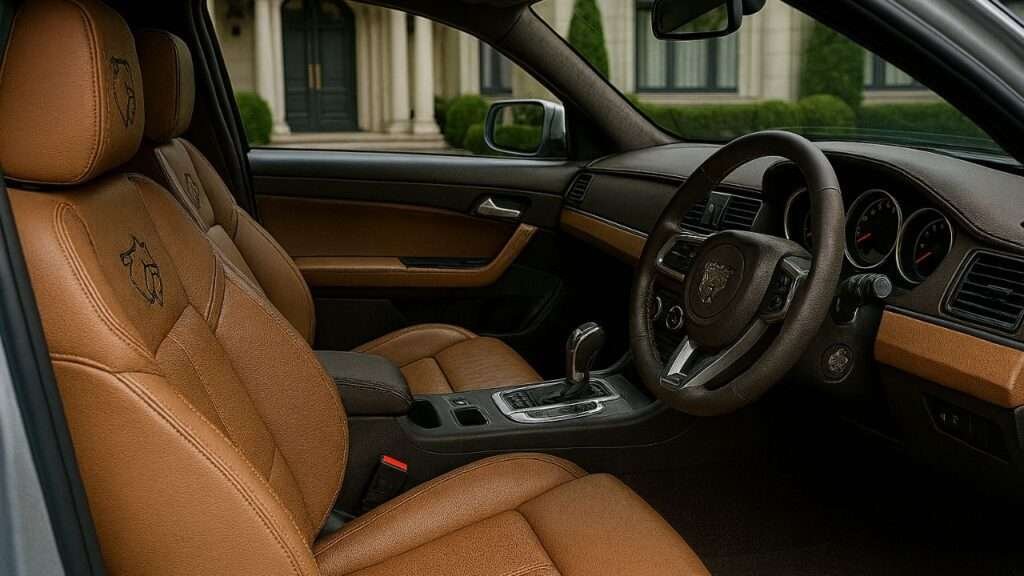
If practicality is the everyday hero, then grandeur is the emotional multiplier, the quality that transforms a vehicle from a tool into a statement.
Grandeur is not about what a car does, but about how it makes its owner feel.
It is the somewhat intangible aura of prestige, beauty, and identity that elevates a machine into a cultural symbol.
6.1 What Grandeur Encompasses.
1. Design beauty: Lines, proportions, and aesthetics that stir admiration.
2. Luxury appointments: Materials, craftsmanship, and sensory refinement.
3. Brand prestige: The heritage and mythology that come with a badge.
4. Emotional resonance: The pride, joy, or aspiration a vehicle inspires.
6.2 The Evidence.
1. Research in Journal of Consumer Research shows that consumers use visible possessions like vehicles as identity signals, broadcasting success, taste, or values.
2. Behavioural economics confirms that people will pay substantial premiums for products that confer status and emotional satisfaction, even when functional differences are marginal.
6.3 Case Studies in Grandeur.
1. Rolls‑Royce Phantom: Purchased not for speed or efficiency, but for craftsmanship, exclusivity, and cultural weight.
2. Jaguar E‑Type: Called “the most beautiful car ever made” by Enzo Ferrari, it remains a rolling sculpture decades later.
3. Tesla Model S: Redefined grandeur for the electric age, where technological minimalism and environmental consciousness became new forms of prestige.
4. Ferrari and Porsche: Their grandeur is inseparable from heritage—decades of racing victories and engineering obsession woven into every car.
6.4 Why Grandeur Matters.
Grandeur is the soul of automotive desire. It is what makes strangers turn their heads, what makes owners proud to park in front of a café, what transforms a purchase into a personal statement.
Grandeur amplifies the other pillars: performance feels more thrilling when wrapped in beauty, practicality feels more rewarding when paired with pride of ownership.
For Australia, grandeur once meant more than imported badges. It was embodied in the locally built Falcon and Commodore utes, which carried not only tools but also identity.
They were rugged, practical, and affordable, yet they also carried a cultural grandeur—symbols of self‑reliance, ingenuity, and national pride.
Their absence today leaves not just a practicality gap, in my opinion, an emotional one.
7.0 Price & Warranty: The Rational Anchor.
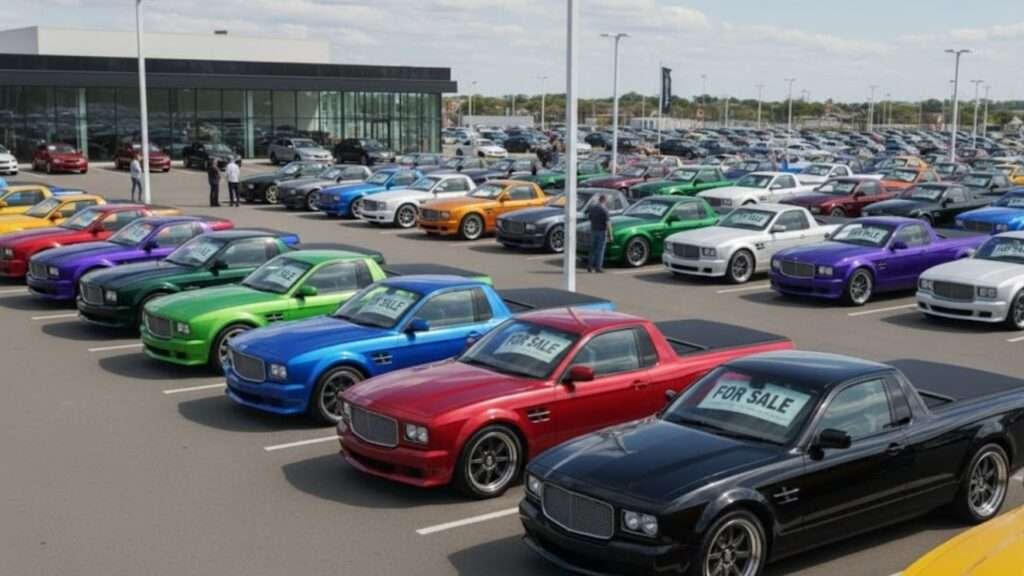
If grandeur appeals to the heart, then price and warranty speak directly to the head. They are the rational anchor of vehicle desire, the final gatekeepers that determine whether aspiration becomes reality.
No matter how thrilling the performance, how comfortable the driveability, or how striking the design, every purchase decision eventually collides with the practical questions: Can I afford this? and Can I trust it to last?
7.1 Price as the Great Equaliser.
Price is the most visible and immediate factor in any vehicle purchase.
It tends to define the boundaries of choice, shaping what consumers even consider before stepping into a showroom.
Research from Deloitte’s Global Automotive Consumer Study shows that affordability consistently ranks as the number one factor influencing purchase decisions across all demographics.
Price also carries symbolic weight: a low price signals accessibility, while a high price can signal exclusivity and prestige.
7.2 Warranty as a Contract of Trust
A warranty is more than a legal document—it is a promise of reliability. It reassures buyers that the manufacturer stands behind its product.
Case study: Hyundai and Kia transformed their reputations in the 2000s by offering industry‑leading 5‑ and 7‑year warranties, converting consumer skepticism into trust and loyalty.
Longer warranties reduce perceived risk, particularly for budget‑conscious buyers and small businesses who cannot afford unexpected downtime.
7.3 The Evidence.
According to J.D. Power, warranty coverage is one of the strongest predictors of consumer trust in a brand.
Vehicles with longer warranties often enjoy higher resale values, as buyers in the used market also value the remaining coverage.
7.4 Why Price & Warranty Matter.
Price and warranty together form the rational anchor of the six pillars.
They are the final filter through which all other desires must pass.
A vehicle may excel in performance, practicality, or grandeur, but if it is priced out of reach or backed by a weak warranty, its appeal collapses.
Conversely, a fair price and strong warranty can elevate a good vehicle into a great purchase, creating peace of mind that extends far beyond the showroom floor.
In the Australian context, this pillar resonates deeply.
For tradespeople, families, and regional drivers, affordability and trust are not luxuries, they are necessities.
To me, it is precisely here that the absence of the locally built coupe utility is felt most keenly.
Once, Australians could buy a rugged, practical and affordable workhorse backed by local manufacturing confidence.
Today, they face imported alternatives that are heavier, more expensive and less tailored to their needs.
8.0 The Missing Workhorse: Australia’s Lost Coupe Utility.
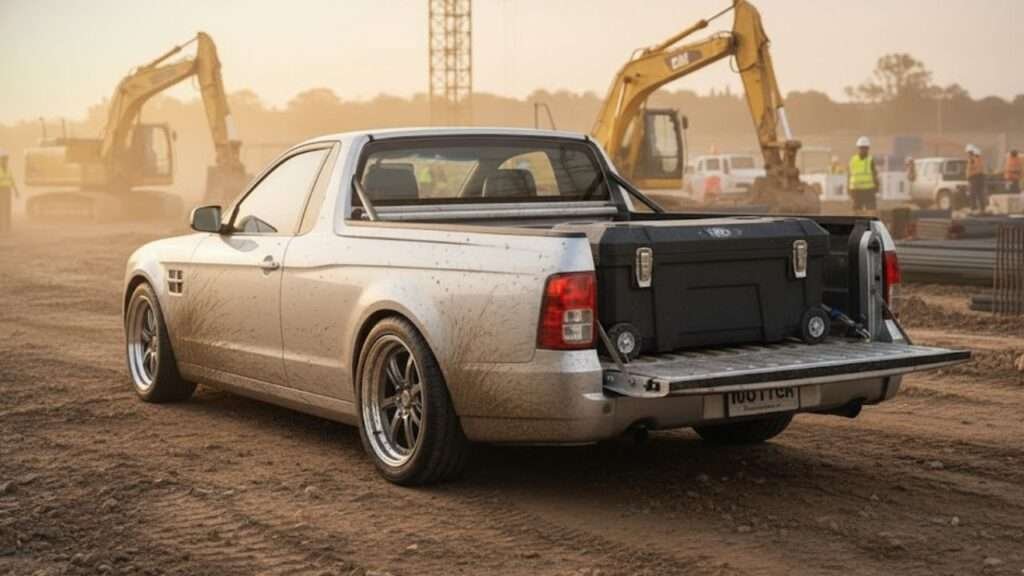
Australia once had a vehicle that embodied balance across all six pillars of desire: the locally built coupe utility.
The Ford Australia and Holden Utes were not just machines; they were cultural artifacts, vehicles that could carry a tradesman’s livelihood during the week and still be appropriate for going out to dinner at a Saturday night.
Their disappearance has left a gap that no imported dual‑cab 4×4 has truly filled.
8.1 What Made Them Unique.
1. Car‑like driveability: Sedan underpinnings gave them agility and comfort unmatched by today’s ladder‑frame dual‑cabs.
2. Practicality: Despite their sleek lines, the base models could handle hefty payloads with ease, up to 1240kgs with the Ford Falcon Ute (FG X).
3. Affordability: Priced within reach of apprentices, small business owners, and regional families.
4. Cultural grandeur: They weren’t just workhorses, they were symbols of ingenuity, independence, and national pride.
8.2 The Market Gap Today.
1. In 2024, 4×4 utes alone accounted for 16.6% of all new vehicle sales in Australia, with light commercials making up over a quarter of the market.
2. Yet the average dual‑cab ute now weighs 2.2–2.5 tonnes, compared to 1.6–1.7 tonnes for the Falcon and Commodore utes.
3. Prices have inflated dramatically: where a Falcon Ute could be bought for under $30,000 drive‑away in the early 2000s, today’s dual‑cabs often start at $50,000–$70,000, with premium models exceeding $80,000.
4. Consumers are forced into vehicles that are larger, heavier, and more expensive than their actual needs demand.
8.3 Why It Matters.
The absence of the Australian‑built coupe utility is not just nostalgia, it is a structural void in the market.
At a time when Australians are buying more utes than ever, the lack of a locally designed, mid‑sized, affordable workhorse leaves tradespeople, regional drivers, and small businesses underserved.
The Falcon and Commodore utes once proved that a vehicle could be rugged yet refined, practical yet proud, affordable yet aspirational.
Their loss is both an economic wound—jobs and manufacturing gone offshore—and a cultural one, erasing a uniquely Australian expression of ingenuity.
9.0 The Height Trap: Trading Tradie Safety for Weekend Fun.
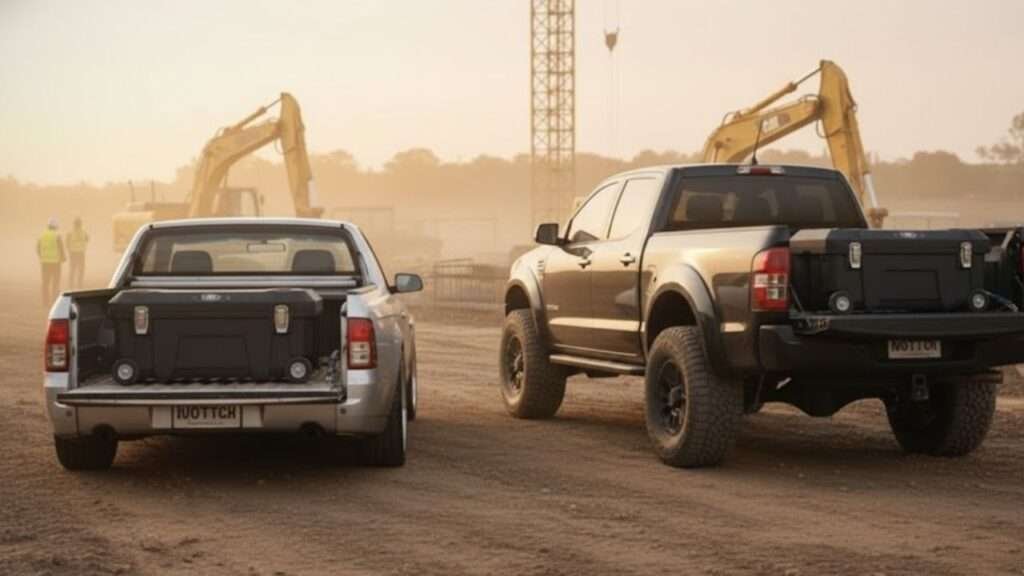
The rise of the high-riding 4×4 utility as the tradesperson’s vehicle of choice has introduced a serious, often overlooked problem: height.
We’ve collectively prioritised ground clearance and rugged aesthetics over practical efficiency—and, more critically, over tradie safety.
This is no longer a matter of preference. It’s an ergonomic hazard that costs workers time, energy, and exposes them to needless risk.
9.1 Picture This: The Height Trap in Action.
A Toyota Land Cruiser Wagon has undergone a ute conversion. It’s already a vehicle that’s high off the ground to begin with, but for some reason, this one’s been lifted further up with an aggressive suspension kit and it’s got a racking system fitted into the back of it.
The driver has just picked up a few lengths of timber. Now, the top of that racking is so high, it’s practically in a different weather system.
To complete what should be a simple task, the driver first climbs into the back of the vehicle, unties his step ladder that’s tied off on top of the racking, then carefully lowers it to the ground.
Then begins the ritual: climb up, tie down, climb down, repeat. Six trips for six lengths of timber.
Sure, the Land Cruiser’s are a great vehicle and have plenty of grandeur inside.
However, if this is meant to be a tradie’s vehicle, wouldn’t he have been better off with a dual-cab version of a coupe utility?
One that’s packed with grandeur and much more practical as a tradie vehicle.
To me, this isn’t just a practicality issue, it’s a safety issue.
9.2 The Cost of Height: A Day-to-Day Toll.
Safety Every climb introduces the risk of a fall, especially when juggling materials or working in wet conditions. The higher the vehicle, the higher risks that need to be mitigated. Is having a fun weekender as your work vehicle really worth increasing the chance of strain and horrific fall injury?
Ergonomics Lifting heavy gear, toolboxes, site boxes, compressors, cement bags etc into a tray at shoulder height would surely place repetitive strain on the back and shoulders.
Efficiency Time lost fetching, setting up, climbing and descending compounds quickly. What looks like “rugged capability” could easily become a crippling bottleneck on a busy schedule.
The overwhelming reality is this: most trade work happens in locations where a rear wheel drive coupe utility would have no problem at all, we’re mostly talking about suburban job sites, not off-road trails.
I’m not trying to overlook the those out in the bush, for those situations, we just need a 4×4 version of the coupe utility, my personal favourite Australian made 4×4 coupe utility was the 2008 BF MKII Ford Falcon Ute RTV Super Cab.
A vehicle is surely only truly “practical” if it allows the worker to complete their tasks safely and efficiently.
Isn’t it time we returned to a practical Australian made ute that’s made for Australians by Australians?
After all, isn’t the ideal height for the top of a rack on a ute one that lets the tradie work with both feet firmly planted on the ground.
10.0 Conclusion: Rebuilding the Future with All Six Pillars.

Across this journey we’ve seen how every vehicle type leans on the six enduring pillars of desire: performance, driveability, visibility, practicality, grandeur, and price & warranty.
Sports cars dazzle with performance and grandeur. SUVs thrive on practicality and status. Sedans and coupes trade on driveability and identity.
Modern 4×4 utes dominate sales by promising rugged adventure. Yet in each case, one or more pillars are sacrificed. No category truly balances them all.
Once, Australia had a vehicle that came close: the locally built coupe utility.
The Falcon and Commodore utes were not perfect, but they embodied a rare equilibrium. They offered car‑like driveability, genuine 1‑tonne practicality, affordability, and a cultural grandeur that made them more than just tools, they were icons of national identity.
They were built by Australian hands, for Australian conditions, and they carried with them a sense of pride that transcended the showroom.
Today, that balance is missing. Tradespeople wrestle with oversized dual‑cab 4×4s that sit too high, cost too much, and prioritise weekend fun over weekday all-round tradie function.
Families and small businesses are forced into vehicles that exceed their needs in some areas while failing them in others.
The result is a structural gap in the market, one that statistics confirm, but that every tradie lifting a bag of cement into a chest‑high tray already knows in their bones.
The case for a modern Australian‑built coupe utility is not nostalgia.
It is logic. It is economics. It is culture.
Imagine a vehicle designed for todays Aussie consumers that embodies all six pillars at once:
1. Performance: rugged, efficient, and safe.
2. Driveability: car‑like handling for city and regional roads.
3. Visibility: designed for worksites and urban confidence.
4. Practicality: low load height, integrated racks, fold‑down sides.
5. Grandeur: a proud Australian design, resonant with heritage.
6. Price & Warranty: affordable, trustworthy, and competitive.
Such a vehicle would not just sell, it would lead. It would restore balance to a market distorted by lifestyle marketing, and it would give Australians back a machine that reflects who we are: practical, resilient, and proud of our ingenuity.
The six pillars of vehicle desire are timeless but when they are brought together in harmony, they create more than a product, they create a legacy.
The Australian coupe utility was once that legacy. Rebuilding it for the future is not just a good idea. It is an important one.
10.0 Bibliography

1.
Consumer Willingness to Pay for Vehicle Attributes by D. Greene
2.
The Global Automotive Consumer: Insights and
Trends by Deloitte Insights
3.
Automotive Marketing and Consumer Behavior by Automotive Industry Experts
4.
Electric Vehicles and the Future of Automotive
Performance by A. Smith
5.
Ergonomics and Driveability in Vehicle Design by Industrial Ergonomics Specialist Team
6.
Vehicle Safety and Human Factors by Transport Safety Researchers
7.
Practicality and Utility in Commercial
Vehicles by M. Perry
8.
Automotive Brand Building and Emotional Marketing by J. Thompson
9.
Price Strategies and Warranty Effects in the Auto
Industry by Economic Analysts
10.
The Rise and Fall of Australian Car Manufacturing by Australian Automotive Historians
11.
Ford and Holden Ute Legacy in Australia by Local Industry Experts
12.
Vehicle Visibility and Accident Prevention by Safety Engineers
13.
The Psychology of Consumer Car Purchasing by Marketing Psychologists
14.
History of the Australian Ute by A. Car Enthusiast
15.
Sustainable Automotive Innovation by Environmental and Industry Experts
16.
Game Changer: Australia invents the ute by Carsales
17.
Where’s the choice? From Australian Holden
and Ford Falcon ute legends to modern utes by
Cars Guide
18.
Performance and Driveability by Engineering Cheatsheet
19.
How Automotive Marketing is Shifting Toward
Innovation, Experience and Trust by
Ronn Torossian
20.
The 3 pillars of modern luxury: how
outstanding customer experience defines automotive by Wavestone
21.
Global Car Pillar Market Overview: Consumer
Behavior by LinkedIn Articles
22.
Why Do Automakers Keep Missing the Mark on
Connected Vehicle Services? by Escalent
23.
How various urgencies and visibilities
influence drivers’ takeover performance in automated driving by Z. Lin, ScienceDirect
24.
Global Automotive Consumer Study by Deloitte
25.
IIHS Vehicle Visibility Ratings and Accident Risk by Insurance Institute for Highway Safety
26.
Mazda Jinba Ittai Philosophy Behind
Driveability by Mazda Media
27.
Hyundai and Kia’s Warranty Strategy Impact on
Consumer Trust by Automotive News
28.
Volvo’s Safety and Visibility Innovations by Volvo Cars
29. Consumer Preferences on Vehicle Practicality and Reliability by Consumer Reports
30. The Cultural Importance of Australian Utes by Australian Made