When A Brand Image Can Unravel Without Substance,
Disclaimer.
The views, opinions, and ideas expressed in this article are solely those
of the author. This article is provided for general informational purposes only
and do not constitute legal, financial, business or professional advice.
References to companies or campaigns are illustrative examples drawn from
public sources and should not be taken as endorsements or criticisms.
Readers should seek independent guidance before applying these concepts
to their own branding strategies.
Article Summary.
This article explores the
phenomenon of hollow frays in
branding, the gradual unraveling of trust, coherence, and emotional resonance
when image is prioritized over substance.
Using the metaphor of
fabric, it illustrates how brands risk erosion when their narratives are not
woven with authenticity and integrity.
The content unfolds in four ways:
1.
Diagnosis
of the Problem: Brands often craft
elaborate stories that appear vibrant but quickly fray when not backed by
genuine intent. Performative branding, over-polished visuals, incoherent
storytelling, and transactional approaches all contribute to consumer
skepticism and trust erosion.
2.
Consequences
of Hollow Frays: The costs are tangible and
intangible—loss of consumer trust, commoditization, reputational fragility, and
emotional betrayal among audiences. These fractures weaken the brand fabric and
make recovery increasingly difficult.
3.
The
Antidote and Practices: Renewal
lies in weaving substance into the brand’s identity through authentic
storytelling, narrative integrity, and alignment of values with actions. Tools
such as The Strong Weave Test
and leadership practices—audits, consumer engagement, employee empowerment, and
cultural alignment—offer practical pathways to resilience.
4.
Case
Studies and Resources: Examples such as
Johnson & Johnson and Chipotle demonstrate how brands can reweave their
fabric after crises by embracing transparency and authenticity. A curated set
of books, articles, workshops, and podcasts provides leaders with resources to
strengthen their own brand narratives.
If there is a vibe to this
article, I believe it would be that authenticity is not a campaign but a
culture, not a one-time repair but an ongoing act of weaving.
Brands that embed integrity
into every thread of their identity create fabrics strong enough to endure
scrutiny, resonate deeply with consumers, and leave a lasting legacy.
Top 5 Takeaways.
1.
Authenticity
is the Fabric of Trust Brands unravel when
image outpaces substance. Narrative integrity is the foundation of resilience.
2.
Hollow
Frays Carry a High Cost
Performative branding erodes trust, commoditizes identity, and leaves brands
vulnerable to backlash.
3.
Weaving
Substance Requires Alignment Storytelling,
values, and actions must be interlaced consistently. Authenticity is not a
campaign but a culture.
4.
Repair is
Possible, but Demands Courage Brands
like Chipotle and Johnson & Johnson show that acknowledging fractures and
acting transparently can reweave trust.
5.
Leaders Are
the Weavers-in-Chief Through audits,
consumer engagement, employee empowerment, and cultural integrity, leaders
ensure every thread strengthens the brand fabric.
Table Of Contents.
1.0 The Fragile Fabric of Brand Authenticity.
2.0 Defining the Hollow Frays.
3.0 Where the Hollow Frays Appear.
4.0 The Price of Hollow Frays.
5.0 The Antidote: Weaving Substance Into the Fabric.
6.0 Leadership Practices for Authentic Brands.
7.0 Renewing the Fabric.
8.0 Practical Questions on Authenticity.
9.0 Brands That Rewove Their Fabric.
10.0 Resources to Strengthen the Weave.
11.0 Conclusion: The Enduring Fabric of Authenticity.
12.0 Bibliography.
1.0 The Fragile Nature of Fabric.
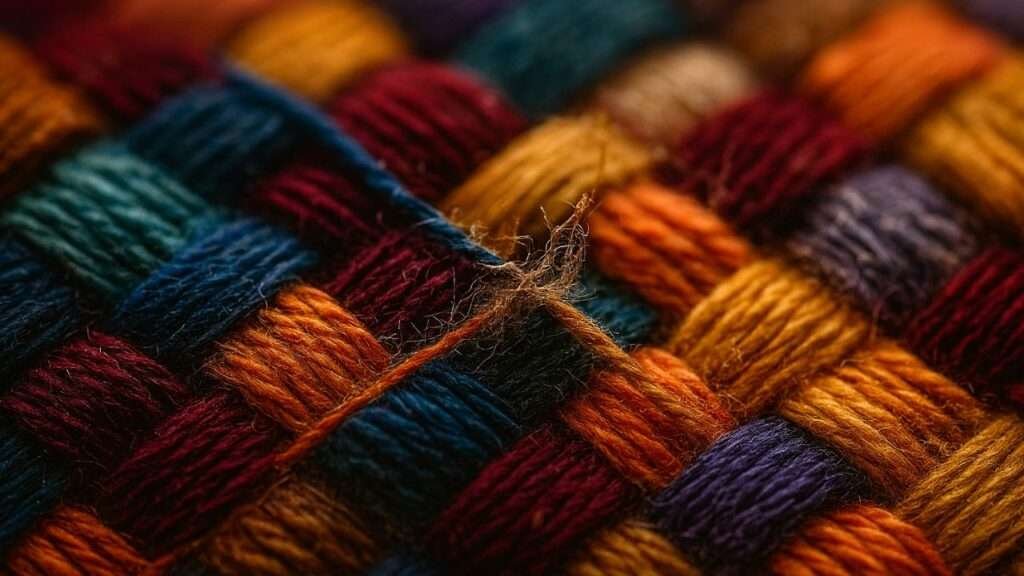
Picture a fabric woven with vibrant colors and intricate patterns. Over
time, small threads begin to loosen, exposing the fragility hidden within its
weave.
This image is more than a meditation on textiles, it is a mirror of
branding today.
Brands often craft elaborate narratives designed to stir emotion, yet
these stories unravel quickly when not anchored in genuine intent.
As consumer skepticism intensifies, surface-level allure is no longer
enough. Just as a garment loses its elegance when it frays, brands risk erosion
of trust when promises fail to align with lived reality.
Modern consumers are not passive recipients of messaging; they are
active inspectors, attuned to the tension between performance and authenticity.
In a hyper-connected marketplace, even the smallest inconsistencies are
magnified under the lens of social scrutiny.
What was once a simple transaction has become a layered negotiation
between image and integrity.
The challenge, then, is clear: how can brands preserve cohesion while
nurturing authentic connection? The answer lies in weaving narratives that
remain true to mission and experience, ensuring the brand fabric stays vibrant,
seamless, and resilient amid constant change.
2.0 Defining ‘The Hollow Frays’
‘Hollow frays’ captures a defining
weakness in contemporary branding: the gap between appearance and substance.
1.
Hollow signals a lack of depth, authenticity, or alignment with
core values. It describes brands that prioritize performance over purpose,
aesthetics over meaning.
2.
Frays represent the gradual unraveling of trust, coherence,
and emotional resonance when brand claims fail to match delivery.
Consumers today are adept at
detecting these fractures. When a brand’s narrative diverges from its behavior,
skepticism grows, and the fabric of loyalty begins to tear.
As a diagnostic lens, hollow frays invite brands to interrogate
their own positioning. Do they embody narrative integrity, or do they risk
being dismissed as hollow?
This is no longer a
theoretical exercise. In a saturated market, authenticity is not a buzzword but
a survival strategy.
Sustainable loyalty depends
on a brand’s ability to align story, values, and lived experience into a fabric
strong enough to withstand scrutiny.
3.0 Where The Hollow Frays Show Up.
Hollow frays most often
emerge where image is elevated above substance, creating fractures in trust and
connection.
1.
Performative
Branding: Campaigns that gesture
toward social causes without meaningful commitment. A fashion label may launch
a glossy sustainability initiative while ignoring its supply chain realities—inviting
backlash rather than loyalty.
2.
Over-Polished
Visuals: A curated perfection that
alienates rather than inspires. A beauty brand showcasing flawless,
unattainable ideals risks leaving consumers feeling inadequate and
disconnected.
3.
Incoherent
Storytelling: Narratives that contradict
practice. A tech company touting innovation while clinging to outdated systems
undermines its own credibility.
4.
Transactional
Focus: Treating customers as
numbers rather than individuals. When relationships are reduced to metrics, the
brand fabric weakens, and emotional resonance is lost.
Each of these frays exposes
the same truth: polish without substance cannot endure. The question is not
whether frays exist, they do, but whether brands are willing to mend them with
authenticity, weaving substance back into the seams of their identity.
4.0 The Cost of Hollow Frays.
The cost of hollow frays in
branding is both immediate and enduring, cutting across trust, identity, and
emotional connection.
·
Erosion of
Trust: When brands present
polished images that contradict their practices, they alienate the very
audiences they seek to inspire. Trust, once fractured, is notoriously difficult
to restore.
·
Loss of
Distinctiveness: As hollow brands shed
authenticity, they drift toward commoditization—becoming interchangeable with
competitors. Without a strong narrative fabric, emotional resonance fades, and
consumers gravitate toward brands that embody substance.
·
Emotional
Fallout: Consumers who feel misled
often experience betrayal. This dissonance fuels skepticism and accelerates
negative word-of-mouth, which in today’s hyperconnected marketplace can unravel
a reputation overnight.
The danger lies in the
illusion of stability. Hollow frays may remain invisible at first, but their
cumulative effect is profound. A brand built on surface alone is fragile,
vulnerable to backlash from even the smallest misstep. The true cost is not
just reputational—it is the forfeiture of resilience.
5.0 The Antidote: Weaving Substance Into the
Fabric.
If hollow frays expose
weakness, the antidote lies in weaving substance back into the brand’s fabric.
Authenticity is not a slogan; it is the alignment of values, actions, and
narrative.
·
Narrative
Integrity: As brands evolve, their
stories must adapt without abandoning the core values that define them. This
balance between change and constancy safeguards against erosion of trust.
·
Authentic
Storytelling: Narratives should reflect
both mission and lived experience. When stories mirror reality, they resonate
deeply, creating bonds that endure beyond campaigns.
·
The Strong
Weave Test: A diagnostic framework for
resilience. Brands can apply it by:
o Assessing whether corporate responsibility initiatives
align with core values.
o Evaluating the emotional resonance of campaigns.
o Listening to consumer feedback to measure perceived
authenticity.
By applying this test
consistently, brands reinforce their narrative fabric, ensuring it is strong
enough to withstand scrutiny. The antidote is not more polish, but more
substance—woven deliberately into every seam of the brand identity.
6.0 Practical Takeaways for Brand Leaders.
Sustaining authenticity
requires leadership that treats branding not as performance, but as culture.
·
Conduct
Brand Audits: Leaders must regularly
evaluate positioning, identifying weak seams where narrative integrity is at
risk.
·
Engage
Consumers Directly: Dialogue through surveys,
feedback, and social platforms reveals how audiences perceive authenticity
versus performance. Listening is as critical as storytelling.
·
Empower
Employees: Every interaction is a
thread in the brand fabric. Training and empowering employees to embody purpose
and values ensures authenticity is lived, not staged.
·
Integrate
Compliance, Culture, and Creativity: A
resilient brand is not built on marketing alone. It emerges when integrity
governs operations, culture reinforces values, and creativity translates them
into compelling narratives.
The task of leadership is
not simply to prevent frays but to weave a fabric strong enough to endure. The
question is no longer whether authenticity matters, it is whether leaders are
willing to embed it into every seam of their organization.
7.0 A Call to Renewal.
A brand, like fabric, is composed of countless threads—story, action,
values, delivery, woven together into a single identity.
When these threads are aligned, the fabric is strong and enduring. When
surface is prioritized over substance, the weave weakens, and trust begins to
unravel.
In today’s climate of heightened consumer skepticism, performative
branding is quickly exposed.
Hollow images and empty promises cannot sustain emotional resonance.
Authentic storytelling, grounded in lived values, is the only way to reinforce
a resilient brand fabric.
The challenge to every brand steward is clear: will your legacy be one
of resilience under pressure, or of unraveling under scrutiny?
Renewal requires more than relevance, it demands authenticity.
Brands that act in alignment with their professed values create a
foundation of trust that is inherently durable.
Renewal, then, is not a one-time repair but an ongoing commitment to
weaving integrity into every thread.
8.0 Answering A Few Commonly Asked Questions.
As leaders
confront the complexities of modern branding, certain questions arise again and
again.
Addressing
them directly can help prevent hollow frays and strengthen narrative integrity.
8.1 How do
we address inconsistencies in our brand image?
Begin with
a clear audit of your brand’s projected image versus consumer perception.
Examine logos, messaging, and customer interactions.
Engage
consumers through surveys and feedback loops to uncover gaps. Transparency in
acknowledging weaknesses reinforces trust and allows for authentic course
correction.
8.2 How do
we rebuild brand trust over the long term?
Trust is
rebuilt through consistency. Integrate authentic storytelling into every
campaign, ensuring that actions reflect values.
Focus on
substance over surface, and communicate openly with your audience. Over time,
this honesty fosters emotional resonance and counters skepticism.
8.3 How
will we know if our changes are working?
Measure
what matters. Track KPIs that reflect consumer sentiment—retention, engagement,
feedback.
Conduct
regular brand audits to ensure alignment with core values. Success is not only
in numbers but in the clarity and strength of the brand fabric as perceived by
consumers.
By engaging these questions,
leaders equip themselves with practical tools to reinforce authenticity and
sustain trust.
9.0 Brands That Rebuilt Their Weave.
Some brands have faced
unraveling and chosen to reweave their fabric with authenticity.
1.
Johnson
& Johnson: Confronted with a crisis
over product safety, the company sought to rebuild trust through transparency,
research, and communication. By emphasizing its heritage and commitment to
safety, it worked to reconnect with consumers and reinforce its identity.
2.
Chipotle: After food safety issues eroded confidence, Chipotle
launched its Food with Integrity
campaign, focusing on sourcing and sustainability. By telling authentic stories
about farmers and ingredients, it rebuilt trust and fostered a community that
valued its renewed commitment.
These examples illustrate
that recovery is possible when brands acknowledge fractures, act decisively,
and weave substance back into their narrative. The lesson is not that frays can
be avoided entirely, but that they can be repaired with authenticity.
10.0 Resources for Brand Authenticity.
For leaders committed to
authenticity, a range of resources can provide insight and tools to reinforce
the brand fabric.
1.
Books:
o Building a StoryBrand by
Donald Miller, on connecting with audiences through narrative integrity.
o Start with Why by Simon
Sinek—on purpose as the foundation of authentic connection.
2.
Articles
& Journals:
o Harvard Business Review and Fast Company regularly
publish insights on consumer trust, authenticity, and branding strategies.
3.
Workshops
& Courses:
o Platforms like LinkedIn Learning and Skillshare offer
interactive sessions on branding, emotional resonance, and authenticity in
practice.
4.
Podcasts:
o How I Built This, revealing
the human stories behind brands, and the role of authenticity in resilience.
Each of these resources is a
thread and together, they could help leaders weave a fabric that is not only
strong but vibrant, ensuring that authenticity is not an aspiration but a lived
reality.
11.0 Conclusion: The Enduring Fabric of
Authenticity.
The story of branding is, at its core, the story of fabric, threads of
narrative, values, and action interlaced into something greater than the sum of
its parts. When those threads are strong and aligned, the fabric endures; when
they are hollow or frayed, the weave unravels under the weight of scrutiny.
In an age where consumers are both storytellers and inspectors,
authenticity is no longer optional, it is the loom upon which trust and
resilience are built. Brands that choose polish over substance may shine
briefly, but their brilliance fades quickly when tested.
Those that commit to weaving integrity into every seam, however, create
fabrics that not only withstand pressure but grow more compelling with time.
The path forward is not about perfection but about coherence. It is
about aligning what is said with what is done, ensuring that every thread, whether
in storytelling, operations, or consumer interaction, reinforces the whole.
Renewal comes when brands embrace this discipline, not as a campaign but
as a culture.
The challenge, then, is not whether frays will appear, as they
inevitably will, but whether leaders have the courage to mend them with
substance rather than disguise them with surface.
In doing so, they craft brands that are not only trusted in the present
but remembered in the future.
The enduring fabric of authenticity is not woven once; it is woven
continually. And in that ongoing act of weaving lies the true legacy of every
brand.
12.0 Bibliography.
1.
The failure of hollow branding: truth, ethics, and relevance in
today’s market: Explores public skepticism and the penalties for brands
that betray trust, with case examples.
2.
Brands That Lost Client Trust: What Went
Wrong and How: Analysis of major branding failures and the consequences for
trust.
3.
Feeling The Ick: How Performative Authenticity
is Eroding Trust: Discusses the dangers of performative branding and its
impact on trust.
4.
How Storytelling Shapes Leadership and Brand
Identity: Explains how authentic storytelling strengthens leaders and
brands.
5.
Delving into the Success of Chipotle’s
“Food with Integrity” Campaign: Chipotle’s campaign as a
benchmark for resilience and brand repair.
6.
Johnson & Johnson Case Study: Documents
crisis recovery through authentic, transparent communications.
7.
How to Build Brand Authenticity: Practical advice for
creating lasting and genuine brand connections.
8.
Brand Authenticity – How to Build It &
Why It’s Essential: Explores definitions and practices for building
authentic brands.
9.
Building a StoryBrand: Clarify Your Message So
Customers Will Listen – Donald Miller.
10.
Start With Why: How Great Leaders Inspire Everyone to
Take Action – Simon Sinek.
11.
The Authentic Brand: How Purpose and Values Drive
Sustainable Growth – Chris Rosica.
12.
Storytelling for Leaders: How to Engage, Inspire and
Influence – Shawn Callahan.
13.
Brand Storytelling: Putting Customers at the Heart of
Your Brand Story – Miri Rodriguez.
14.
Leadership and Self-Deception: Getting Out of the Box
– The Arbinger Institute.
15. The Culture Code: The Secrets of Highly Successful Groups – Daniel Coyle.