Ethical Branding
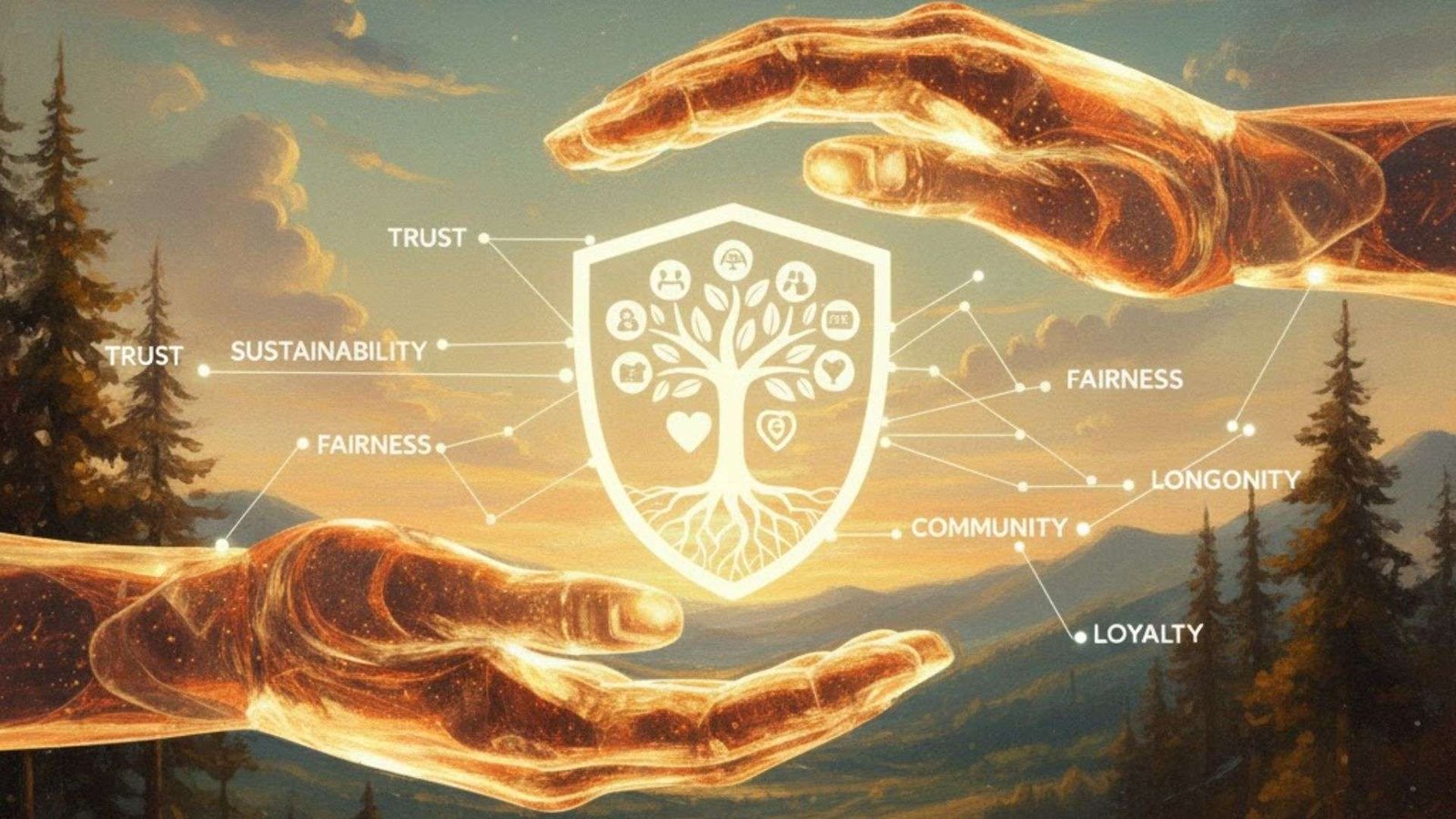
Ethical branding is the deliberate practice of shaping a brand’s identity around principles that withstand scrutiny, fairness, transparency, and genuine respect for people and planet.
It is not a short-term marketing tactic or a veneer of virtue signalling. Instead, it is a long-term stance that informs how a business behaves, communicates, and earns trust.
At its core, ethical branding means values are not just printed on packaging or posted in mission statements, they are embedded in decisions, policies, and everyday actions.
It is about consistency between what is promised and what is delivered, especially when no one is watching.
Ethical branding extends to how suppliers are treated, how services are priced, how crises are handled, and how communities are supported.
It is the alignment of words and deeds, ensuring that a brand’s reputation is built on integrity rather than illusion.
Rather than chasing fleeting trends, ethical brands focus on enduring principles:
- Clarity: Making it easy for people to understand what you stand for.
- Accountability: Owning your impact and being willing to evolve.
- Empathy: Designing experiences that respect lived realities.
- Longevity: Building relationships that last beyond the sale.
In uncertain markets, ethical branding becomes a stabilizer. It transforms a brand from being merely a provider into being a trusted presence, one that people return to because it feels safe, sincere, and aligned with their values.
15 Reasons Why Ethical Branding Is So Important.
- Builds lasting trust: Trust is the currency of modern business, and ethical branding safeguards it.
- Strengthens reputation: A reputation built on integrity is harder to erode and easier to defend.
- Differentiates in crowded markets: Ethical practices set brands apart from competitors relying on gimmicks.
- Encourages customer loyalty: People stay loyal to brands that reflect their values.
- Attracts conscious consumers: Growing segments of buyers actively seek brands that act responsibly.
- Supports long-term profitability: Ethical branding avoids short-term gains that lead to long-term reputational damage.
- Enhances employee engagement: Teams are more motivated when they believe in the brand’s values.
- Improves supplier relationships: Fair treatment fosters stronger, more reliable partnerships.
- Mitigates risk: Transparency and accountability reduce the chance of scandals or backlash.
- Aligns with regulatory expectations: Ethical practices often anticipate or exceed compliance standards.
- Strengthens crisis resilience: Brands with integrity weather storms more effectively because they’ve built goodwill.
- Shapes positive culture: Ethical branding influences internal culture, creating workplaces rooted in respect.
- Contributes to societal progress: Ethical brands uplift communities and contribute to collective well-being.
- Supports environmental sustainability: Respect for the planet ensures relevance in a climate-conscious era.
- Creates emotional resonance: Ethical branding sparks pride, belonging, and confidence, making brands memorable.