Resilience Framework
A resilience framework is a structured way of understanding how individuals, teams, or organizations can withstand disruption, recover from setbacks, and continue to grow despite challenges. Rather than treating resilience as a vague quality or personality trait, a framework breaks it down into components that can be observed, strengthened, and applied across different contexts.
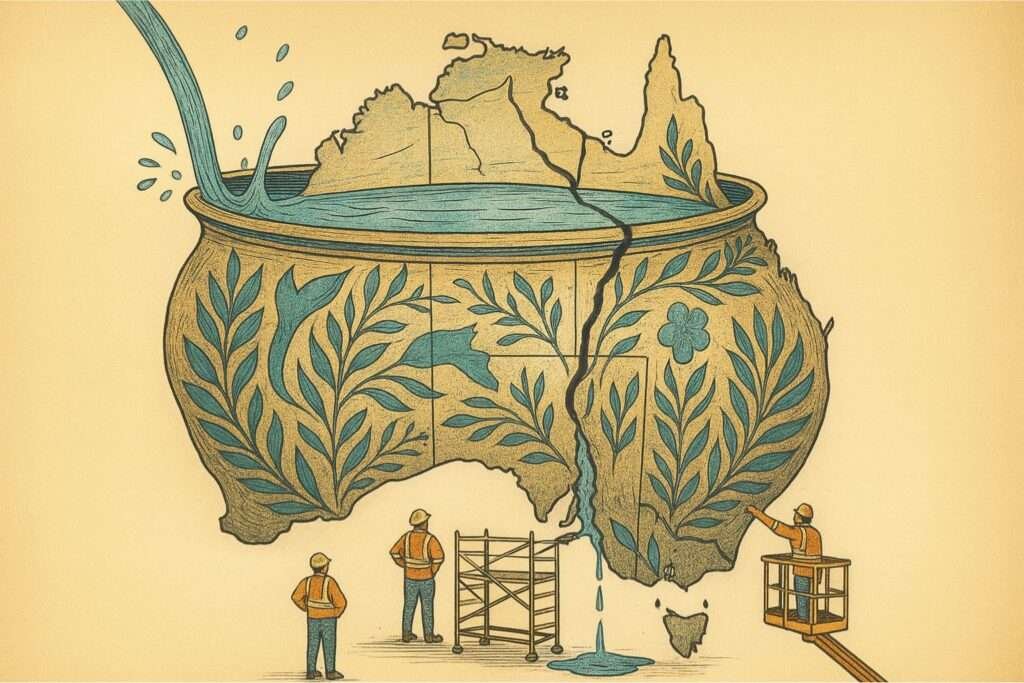
At its essence, resilience is about capacity under pressure. It is not the absence of difficulty but the ability to adapt and maintain direction when circumstances shift. A resilience framework provides the scaffolding for this adaptation, ensuring that responses to stress are intentional rather than reactive.
Most resilience frameworks share several key dimensions:
• Preparedness: Building systems, skills, and resources before they are needed. This might mean financial reserves for a business, training for a team, or personal habits that support wellbeing.
• Adaptability: The ability to adjust strategies, expectations, or methods when conditions change. Adaptability prevents rigidity from becoming a liability.
• Recovery: The speed and effectiveness with which setbacks are absorbed and stability is restored. Recovery is not just about returning to baseline but often about emerging stronger.
• Learning: Every disruption carries lessons. A resilience framework emphasizes reflection and integration of those lessons into future planning.
• Connection: Social and organizational networks provide support, perspective, and shared resources. Resilience is rarely a solo endeavor.
The strength of a resilience framework lies in its systemic view. It acknowledges that resilience is not a single act of toughness but a cycle: prepare, endure, recover, and adapt. Each cycle builds capacity for the next, creating a compounding effect over time.
In practice, resilience frameworks are applied in diverse fields. In psychology, they guide approaches to mental health and coping strategies. In business, they shape risk management, continuity planning, and leadership development. In communities, they inform disaster preparedness and social cohesion. Across all these domains, the framework provides a common language for navigating uncertainty.
The value of a resilience framework is that it transforms resilience from an abstract ideal into a practical discipline. It gives people and organizations tools to measure where they are strong, where they are vulnerable, and how they can improve. By doing so, it shifts the narrative from “bouncing back” to “bouncing forward”—using adversity not just to survive, but to evolve.
Ultimately, a resilience framework is about sustainability in motion. It ensures that ambition, innovation, and growth are not derailed by inevitable setbacks, but instead are reinforced by them.