

The Vastness Of The Social Media Landscape
Exploring The Vastness Of The Social Media Landscape Disclaimer. This article is for informational purposes only. References to specific social
The Vastness Of The Social Media Landscape Read Post »
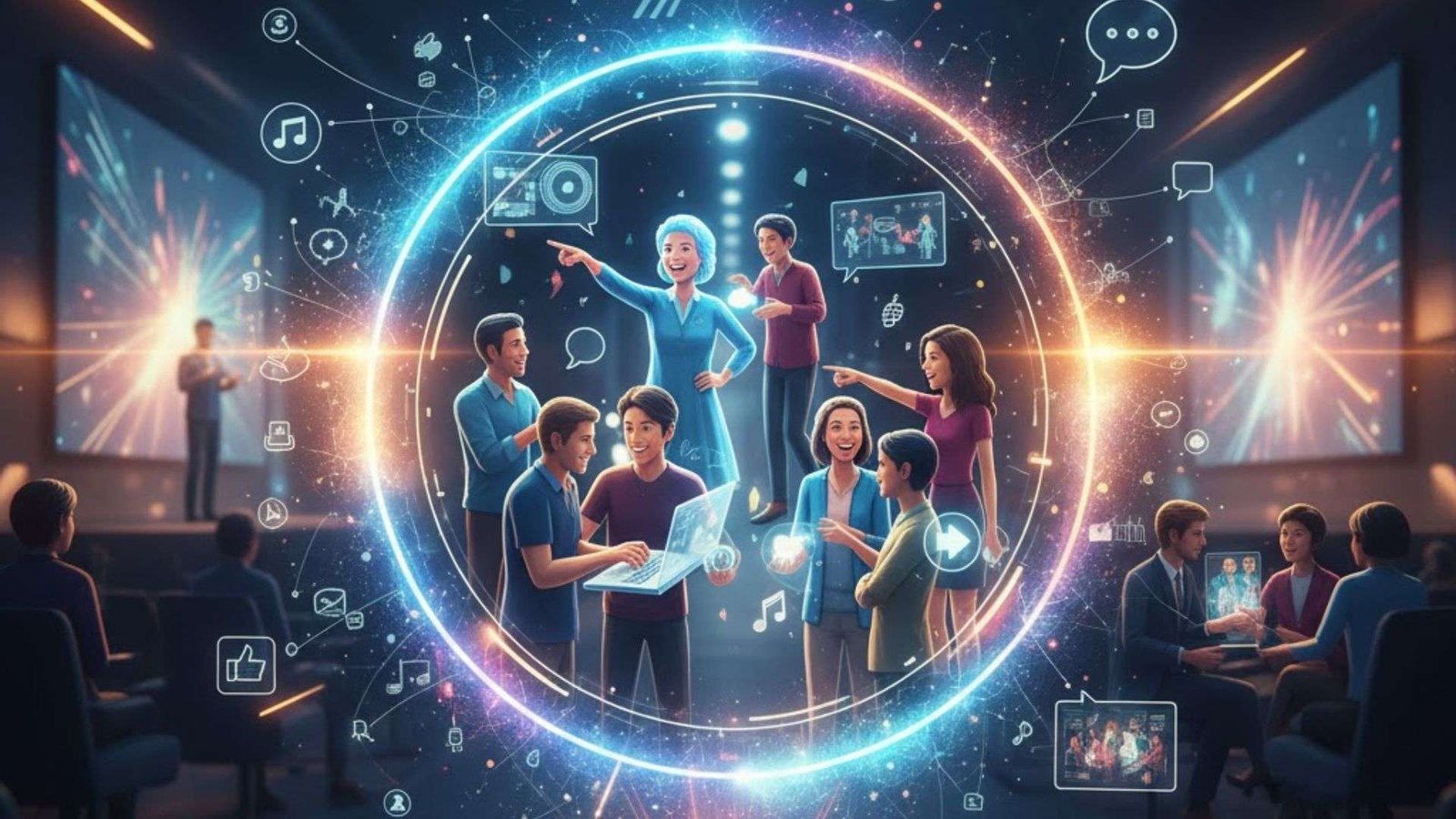
Audience engagement describes the degree to which people pay attention to, interact with, and feel connected to a message, performance, or brand.
Rather than being a one sided broadcast, engagement is about creating a dynamic exchange where the audience is not just receiving information but actively responding to it.
This response might be visible—such as commenting on a post, attending an event, or sharing content—or more subtle, like reflecting on an idea or adjusting behavior after exposure to a message.
In professional settings, engagement is often tracked through measurable indicators: clicks, shares, attendance, or participation rates.
These figures provide useful benchmarks, but they only tell part of the story. Genuine engagement is deeper. It reflects whether people feel that the content matters to them, whether they trust the source, and whether they are motivated to return for more interaction.
The value of engagement lies in its ability to build lasting relationships. When audiences feel included and acknowledged, they are more likely to develop loyalty.
For a business, this might mean repeat customers and word of mouth advocacy. For educators, it can translate into students who retain knowledge and apply it beyond the classroom. For artists, it creates moments that resonate long after the performance ends.
Several elements influence how engagement develops. Content must be relevant and tailored to the audience’s needs and expectations.
The way it is delivered—through live events, digital platforms, or hybrid formats—should encourage participation rather than passive consumption.
Emotional connection is equally important: stories, visuals, and authentic voices often capture attention more effectively than abstract facts alone.
In today’s crowded digital environment, engagement has become both more challenging and more critical.
With countless messages competing for attention, audiences are selective about where they invest their time.
Successful strategies often involve personalization, interactivity, and consistency. Examples include interactive polls, live Q&A sessions, or behind the scenes insights that invite people to feel part of the process.
Ultimately, audience engagement is about cultivating dialogue and shared meaning. It transforms communication from a simple transfer of information into a relationship built on trust, relevance, and participation.
When done well, it ensures that both the communicator and the audience feel invested in the exchange, creating value that extends beyond the immediate interaction.
Exploring The Vastness Of The Social Media Landscape Disclaimer. This article is for informational purposes only. References to specific social
The Vastness Of The Social Media Landscape Read Post »
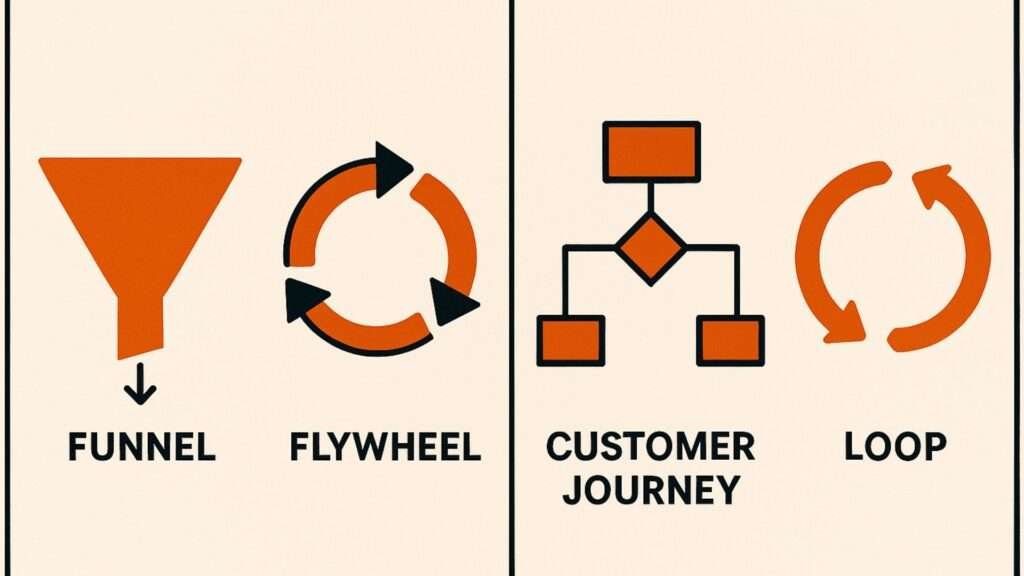
Exploring Marketing Funnel Alternatives and Complements Disclaimer. This article is for informational purposes only and does not guarantee specific results.
Marketing Funnel Alternatives And Complements Read Post »

Radio Versus TV Advertising – Who Wins? Does radio advertising work better than TV Advertising? It’s a tough question to
Radio Versus TV Advertising Read Post »

Clever Streaming Services Marketing – Cross Advertising. The concept of a company advertising on a rivals platform might not make
Streaming Services Marketing Read Post »