

Understanding The AI Scammer Crisis
Is Brand Trust The Best Firewall Against Sophisticated AI Phishing? Disclaimer. This article is provided for informational and educational purposes
Understanding The AI Scammer Crisis Read Post »
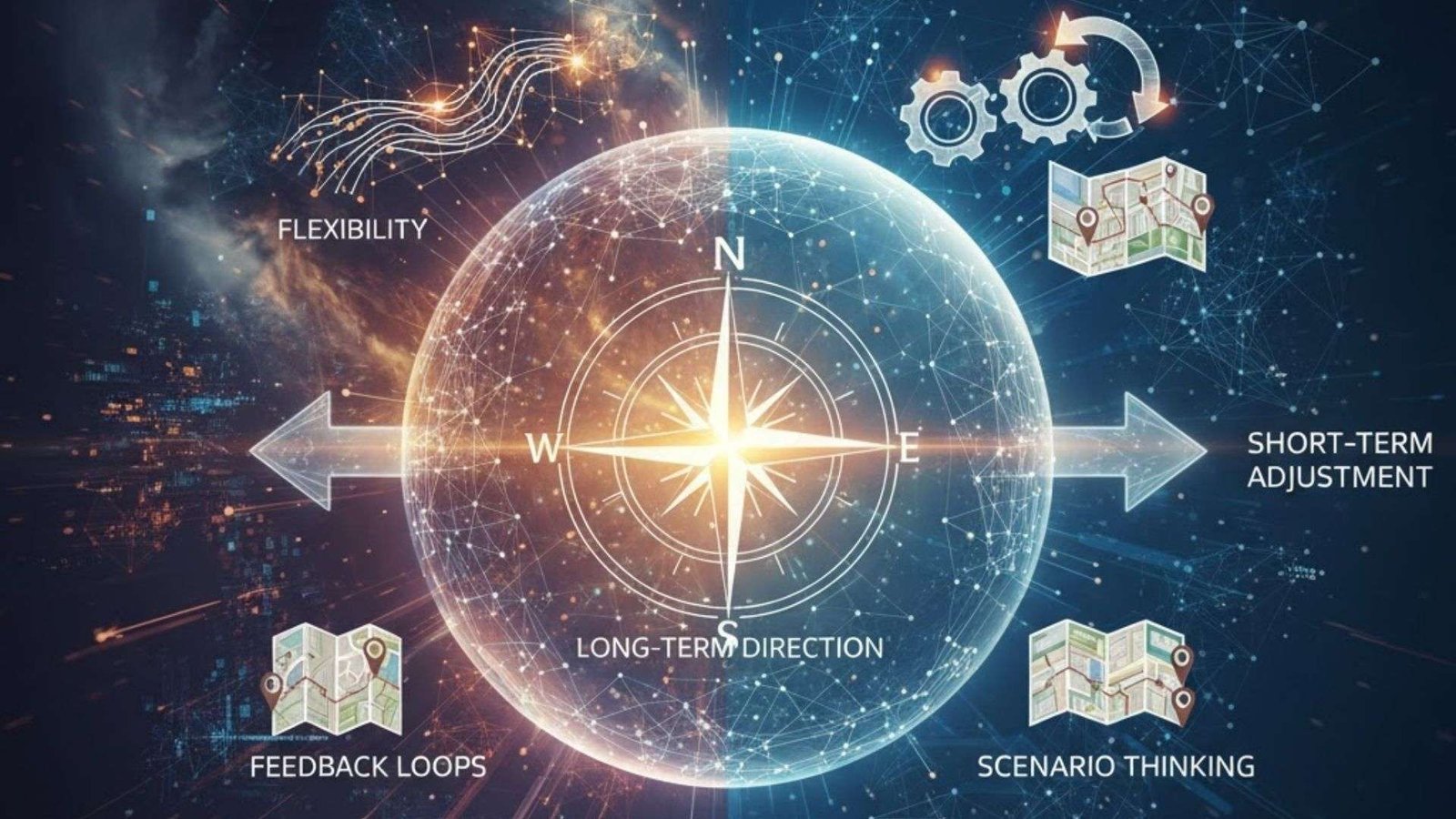
Adaptive strategy is an approach to planning and decision-making that emphasizes flexibility, responsiveness, and continuous learning.
Unlike traditional strategies that assume stability and predictability, adaptive strategy recognizes that environments, whether in business, education, government, or personal life are constantly changing.
The goal is not to create a rigid plan that must be followed at all costs, but to design a framework that can evolve as new information, challenges, and opportunities emerge.
At its heart, adaptive strategy balances two forces: long-term direction and short-term adjustment.
The long-term direction provides a sense of purpose and coherence, ensuring that actions remain aligned with core values and overarching goals.
The short-term adjustments allow individuals or organizations to respond effectively to unexpected developments, shifting conditions, or lessons learned along the way.
A key feature of adaptive strategy is the use of feedback loops. Actions are taken, results are observed, and insights are fed back into the system to refine future decisions.
This cycle transforms mistakes into learning opportunities and prevents stagnation. Instead of viewing setbacks as failures, adaptive strategy treats them as valuable data points that guide improvement.
Another important element is scenario thinking. Rather than betting everything on a single prediction of the future, adaptive strategists prepare for multiple possibilities.
They identify signals that might indicate which scenario is unfolding and adjust their actions accordingly.
This reduces risk and increases resilience, since no single outcome determines success or failure.
Adaptive strategy also emphasizes iteration.
Plans are not one-time documents but living frameworks that are revised and updated regularly.
This iterative process ensures that strategies remain relevant and effective even as circumstances evolve.
The benefits of adaptive strategy are broad:
• Resilience: It helps individuals and organizations withstand shocks and disruptions.
• Innovation: By encouraging experimentation and adjustment, it fosters creativity and discovery.
• Sustainability: It prevents burnout and overextension by pacing growth and change in manageable cycles.
• Clarity: It provides a balance between vision and pragmatism, avoiding both rigidity and chaos.
In essence, adaptive strategy is about navigating uncertainty with confidence. It accepts that change is inevitable and builds systems that can thrive in that reality.
Whether applied to a business, a community project, or personal development, adaptive strategy ensures that ambition is pursued in a way that is both dynamic and sustainable.
Is Brand Trust The Best Firewall Against Sophisticated AI Phishing? Disclaimer. This article is provided for informational and educational purposes
Understanding The AI Scammer Crisis Read Post »

The Live Music Industry As A High Performing Brand Ecosystem. Disclaimer. This article is provided solely for informational and educational
The Live Music Industry Ecosystem Read Post »

Enhance The Australian Vehicle Market With Another Coupe Utility Disclaimer. This article is intended for informational and educational purposes only.
Why Australia Needs Another 1 Tonne Coupe Utility Workhorse Read Post »

Have Bolt-On Software Products Enhanced Our World? Disclaimer. This article is provided for informational and strategic insight purposes only. The
The Bolt-On Software Product Economy And Ecosystem Read Post »

The Global Ecosystem of Tractors And Agricultural Machinery. Disclaimer. This article is intended for educational and strategic insight purposes only.
How Tractor Brands Cultivate Legacy Read Post »

The Vast Ecosystem of the Motorcycle World. Disclaimer This article is intended for informational and educational purposes only. It reflects
Exploring The Motorcycle Brand Ecosystem Read Post »

Revamping Brands As Industry Evolves And Transitions. Disclaimer. This article is general in nature and intended for educational and thought
Brand Evolution Via Industrial Transition Read Post »
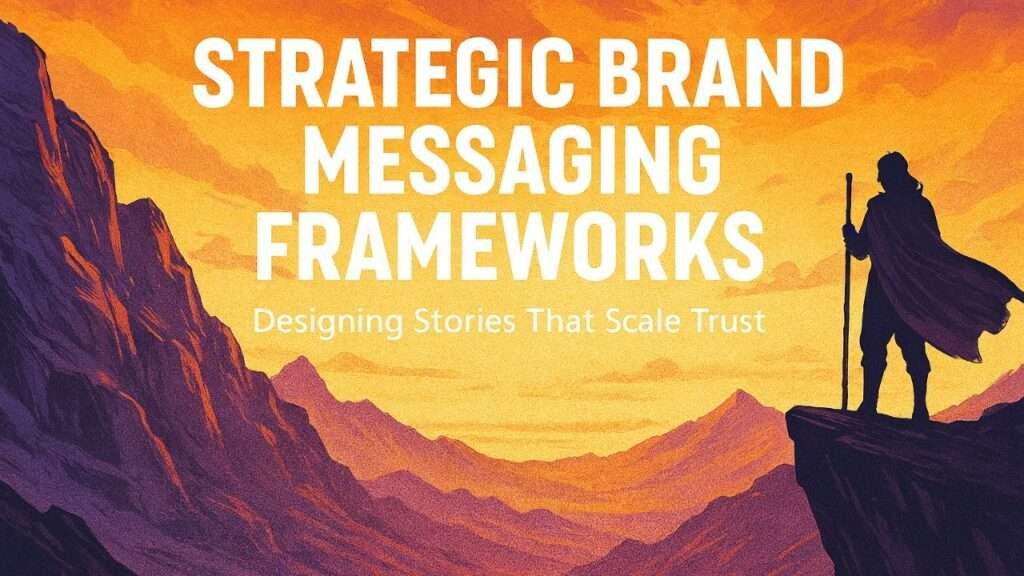
Use Strategic Brand Messaging Frameworks That Work. Disclaimer. This article is intended for educational and informational purposes only. It does
Strategic Brand Messaging Frameworks Read Post »

What could Wandoan look like in 2040? Why Wandoan’s Story Reflects Regional Australia’s Promise & Challenge. Article Disclaimer. 1. Purpose
Wandoan First Is A Blueprint for Regional And National Renewal Read Post »

Was The Hills Hoist Was The Invention That Lifted a Nation’s Spirit? Disclaimer. This article offers historical and cultural commentary
What Life in Australia Was Like Before the Hills Hoist Read Post »
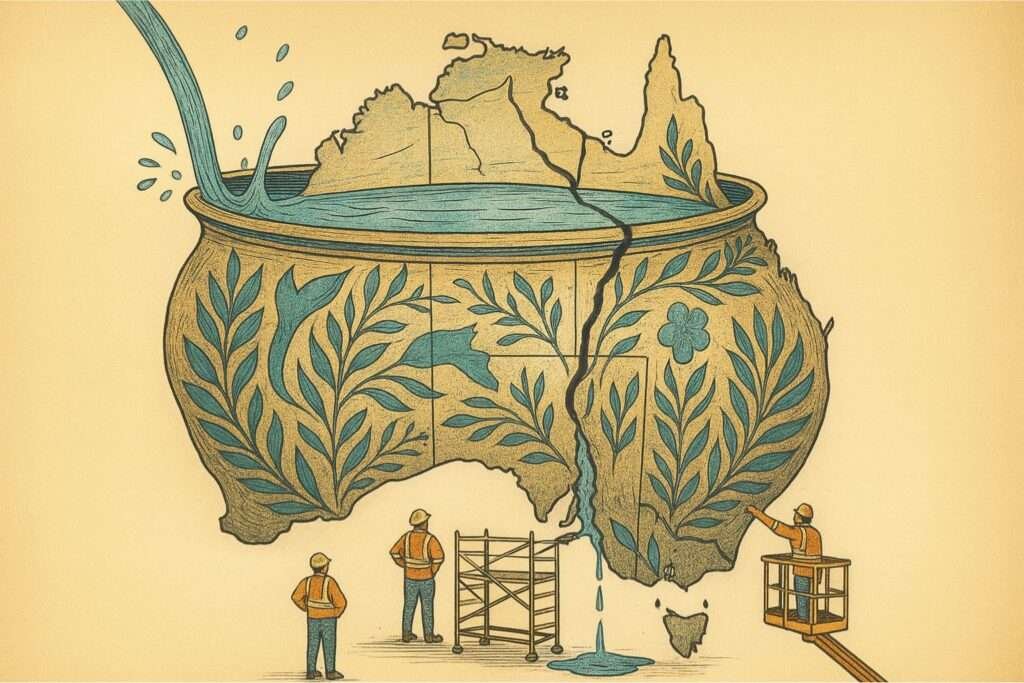
From Prosperity To Fracture And Hopes For Renewal. Disclaimer. This article reflects on Australia’s economic and industrial history through metaphor
The Cracked Vessel Is A Story About Australia Read Post »
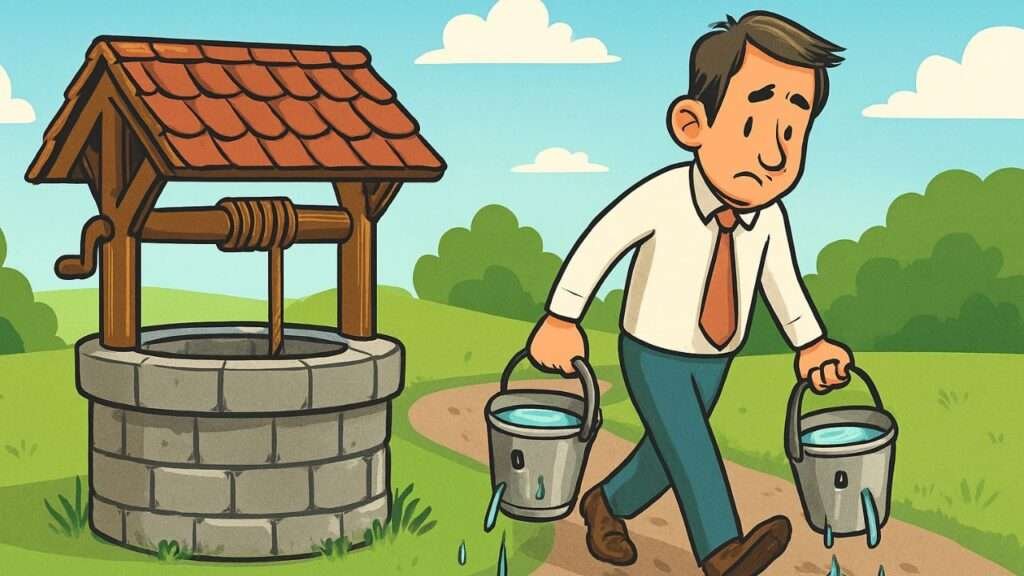
Fixing Marketing Challenges to Enhance Brand Visibility. Disclaimer. This article is intended for informational and educational purposes only. It reflects
The Leaky Bucket Metaphor In Marketing Read Post »

Effective Storytelling And The Path To Ethical Marketing And Legacy Building. Disclaimer. This article is intended for informational and educational
The Power Of Authentic Brand Storytelling Read Post »

Understanding Customer Churn as a Silent Signal of Brand Health and Loyalty. Disclaimer. This article is intended for educational and
How Churn Reveals Brand Truths Fast Read Post »
What Makes The Article Writing Ecosystem A Digital Goldmine? Disclaimer. This article is provided for informational and educational purposes only.
Explaining The Article Writing Ecosystem Read Post »

Expired Domains, Content Resurrection And Maximizing Backlinks. Disclaimer. The information provided in this article on expired domains, content resurrection, and
Expired Domains And Related Backlinks Read Post »

The Wedding Industry Emotional Architecture That Binds Our Lives. Disclaimer. This article is provided for educational and informational purposes only.
The Wedding Industry As A Branding Ecosystem Read Post »
A Strategic Approach to Ambitious Goal-Setting. Disclaimer. This article presents strategic frameworks and philosophical approaches to goal-setting, business planning, and
Target Mars And Settle For The Moon Read Post »

Strategic Restraint: The Hidden Superpower of Great Brands Disclaimer. This article provides general information about branding strategy and is intended
Less Than You Can And More Than They Expect Read Post »

50 Creative Story Angles That Will Transform Your Brand’s Marketing. Disclaimer. The information in this article is provided for general
50 Marketing And Brand Building Stories That Need To Be Told Read Post »

The Velvet Rope Strategy: Why Your Brand Should Make People Wait Outside. Disclaimer. The information in this article is provided
The Velvet Rope And How It Relates To Exclusive Marketing Read Post »

Writing Quality Articles That Will Rank And Readers Enjoy. Disclaimer. This article is for informational purposes only and does not
Writing High Value And Authoritative Content That Ranks Read Post »

Rebranding A Nation Via The G.R.E.A.T Framework. Disclaimer. This article is for informational and educational purposes only and does not
The GREAT Framework For National Renewal Read Post »

Maximizing CRM Software – Marketing & Brand Building. This Article Is Dated September 15th 2025 Details in this article were
Maximizing CRM In Modern Marketing Read Post »

Marketing A Possible Great Inland Shift For Australia. Disclaimer. This article shares concepts and considerations I have been reflecting on
Marketing The Great Inland Shift For Australia Read Post »

Why Every Step Matters in Building a Lasting Brand. Disclaimer. This article is for educational and illustrative purposes only and
Climbing Every Rung Of the Brand Ladder Read Post »

Exploring The Old Saying, “Don’t Leave Any Money On The Table. Disclaimer. This article is for general and informational purposes
Try Not To Leave Any Money On The Table Read Post »

Exploring The Vastness Of The Social Media Landscape Disclaimer. This article is for informational purposes only. References to specific social
The Vastness Of The Social Media Landscape Read Post »
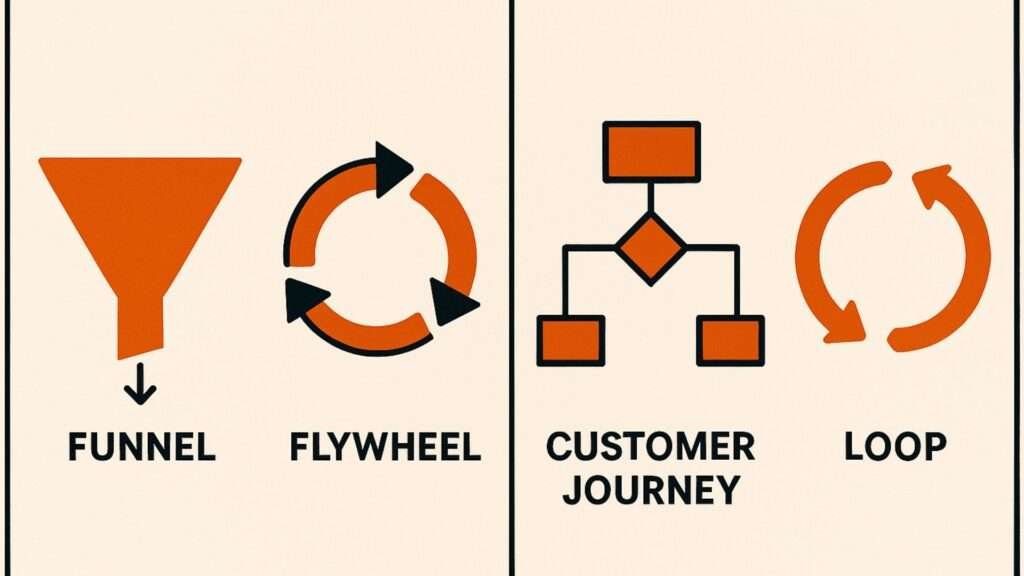
Exploring Marketing Funnel Alternatives and Complements Disclaimer. This article is for informational purposes only and does not guarantee specific results.
Marketing Funnel Alternatives And Complements Read Post »
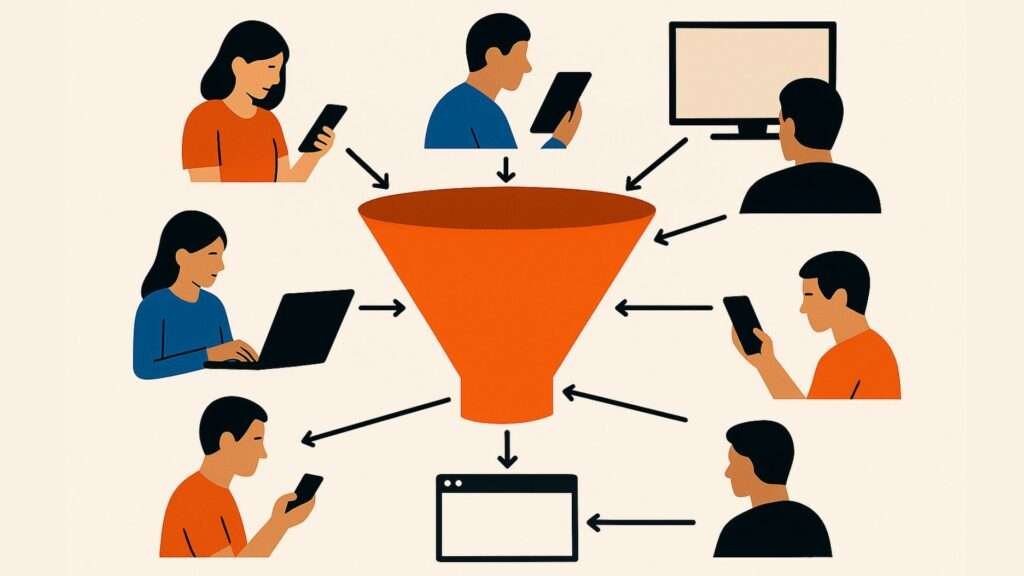
Understanding Marketing Funnels Strengths And Weaknesses Disclaimer. This article is for informational purposes only. It does not guarantee specific results.
Marketing Funnels Strengths And Weaknesses Read Post »

Improving Customer Connections and Brand Visibility In 2025’s rapidly evolving business landscape, organisations face unprecedented change driven by new technologies,
Improving Customer Connections Read Post »

Summer Clothing Marketing And Brand Building Challenges The summer clothing market presents a distinct blend of opportunities and challenges, demanding
Summer Clothing Marketing Challenges Read Post »

The 7 Levels Of A Product Framework Across industries, product lifecycles are moving faster, markets are more connected and the
The 7 Levels Of A Product Read Post »
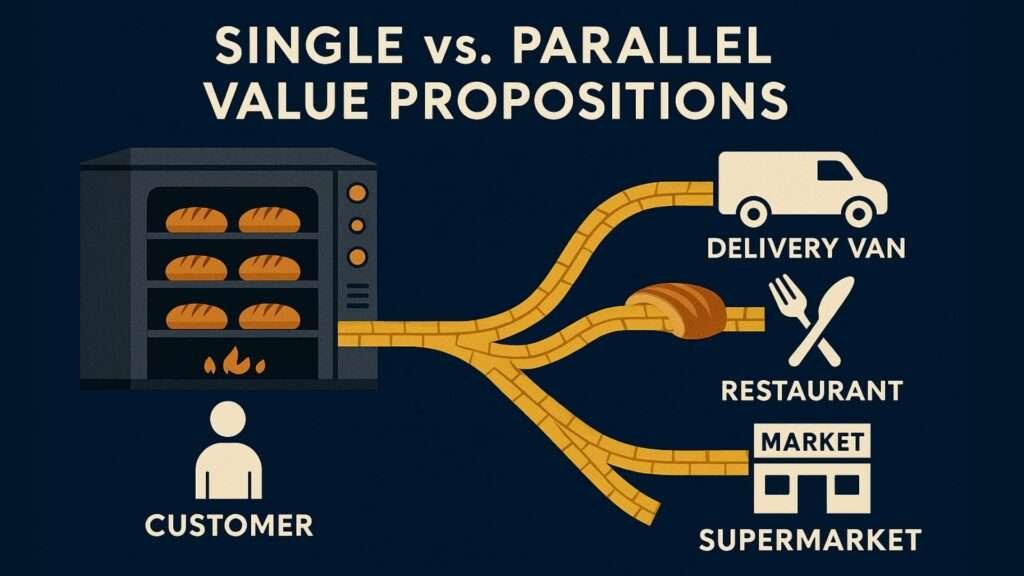
Understanding Single And Parallel Value Propositions In a saturated marketing and brand-building landscape, brands face some very though, if not
Single And Parallel Value Propositions Read Post »

When Opportunities Used To Arrive Via A Knock On The Front Door. This article traces the transformation of Australian social
Back When We Used To Knock On Doors Read Post »

A Tribute To The Golden Age Of Advertising Jingles This article is my celebration and retrospective analysis of the golden
A Tribute To Advertising Jingles Read Post »

Disclaimer: The following article was created on the 6th August 2025 and reflects my personal views and general commentary, intended
The Made in Australia Dream Read Post »

Writing A Marketing Book That Engages Readers. Disclaimer. This article is provided for general information and educational purposes only and
Writing A Marketing Book Read Post »

Author’s Note: This article reflects my personal views on marketing strategies during challenging economic conditions. Any examples provided are fictional
Marketing In A Depressed Market Read Post »

ADRI Framework For Effective Small Business Marketing. Small businesses eager to grow will likely need a framework for their marketing
ADRI Framework For Small Business Marketing Read Post »

Author’s Note: This article reflects my personal views on marketing strategies for the woodworking hobby market, particularly among recently retired
Marketing Woodwork for Retirees Read Post »

Author’s Note: This article reflects my personal views on the marketability of fine furniture and is intended for educational and
Fine Furniture Marketability Read Post »

Has Marketing Shaped Australia’s Energy Generation Decisions? Australia now finds itself at a pivotal crossroads I believe, a moment when
Energy Generation Marketing Influence Read Post »

Making Sure Your Company Matters and Thrives. If your goal is to make your company thrive and matter more in
Make Your Company Matter Read Post »

Conducting TapRooT Investigations To Drive Marketing Excellence. Every so often, the best laid plans derail. What matters most is our
Marketing TapRooT Investigations Read Post »

Protect Marketing Strategies From Single Points Of Failure. Modern marketing is tough enough without having to endure any preventable failures
Avoiding Single Points Of Failure Read Post »

Take Time To Embrace the Highs in Marketing. Marketing success often arises from a dynamic blend of digital innovation, data-driven
Embracing The Highs In Marketing Read Post »

Author Note – Article Disclaimer: The following article reflects my personal experiences, opinions, and general commentary. It is intended for
Navigating The Lows In Business Read Post »

Exploring The Tactical Winter Clothing Market. Have you ever wondered how detailed analyses of performance metrics and market opportunities determine
Tactical Winter Clothing Market Read Post »

Using Broken Windows Theory to Protect Your Brand. Imagine strolling through a vibrant urban district where every building exudes care,
Broken Windows Theory Read Post »

Staying Grounded In The Celebrity Fame And Fortune Spotlight. Fame and fortune are often seen as the ultimate markers of
The Celebrity Fame And Fortune Spotlight Read Post »

Australian Car Manufacturing, Can We Keep The Dream Alive? There’s a particular ache in watching something you love vanish. For
Australian Car Manufacturing Read Post »

The Clever Branding And Marketing Of Circular Saws. Circular saws aren’t the first things people associate with marketing or brand
Circular Saws Branding And Marketing Read Post »

Work Vehicles – The Power Of Strategic Marketing. In the very competitive landscape of tradie work vehicles, I personally believe
Work Vehicle Strategic Marketing Read Post »

Boats and Boating Brands – A Marketing Gold Mine. To me, Boating is far more than putting a vessel in
Boats And Boating Brands Read Post »

Author’s Note: This article reflects my personal views on the concept of “brand flipping” and is intended for educational and
What Is Brand Flipping Read Post »

Automotive Website Brand Development. Disclaimer. This article is provided for informational and educational purposes only. It does not constitute business,
Website Brand Development Read Post »

Marketing Burnout Versus Brilliance: The Hidden Patterns. Disclaimer. This article is intended for informational and educational purposes only. It does
Avoiding Marketing Burnout Read Post »

Exploring Top Loading Washing Machines In Australia. Selecting the optimal top loading washing machine represents a significant investment decision for
Top Loading Washing Machines Read Post »

Researched Problems Can Provide Marketing Solutions. In the vast Australian landscape, where cities give way to sprawling countryside and rugged
Research Based Marketing Solutions Read Post »

Authors Note. This article reflects my personal views and is for educational purposes only. It is not any form of
Effective Research Criticality in Marketing Read Post »

The Emotional Rollercoaster Of Marketing Life. Disclaimer. This article is for general informational and inspirational purposes only and reflects personal
Marketing And Brand Building Highs And Lows Read Post »

Develop Clear Business Objectives. The below guide provides new companies with a practical framework for establishing business objectives that drive
Clear Business Objectives Read Post »

Building A Standout Brand Identity. No matter what type of business you’re in, I’m sure you’re finding it to be
Standout Brand Identity Read Post »

Radio Versus TV Advertising – Who Wins? Does radio advertising work better than TV Advertising? It’s a tough question to
Radio Versus TV Advertising Read Post »

The Very Clever Marketing Of Supernatural Stories. How did ancient fears and strange supernatural stories become a multi billion-dollar brand
Marketing Of Supernatural Stories Read Post »

Marketing For A Better Australian Future. What better way for an Australian marketer to put their skills to good use
Marketing A Better Australian Future Read Post »

The Intersection Of Politics And Marketing. In today’s complex media ecosystem, the once distinct realms of politics and marketing have
Politics And Marketing Read Post »

Boost Marketing Results With Lean Six Sigma. Lean Six Sigma isn’t just a methodology, it’s a catalyst for transforming marketing
Marketing And Lean Six Sigma Read Post »

Solo Marketing Experiment: Embracing AI 100%. Is AI transforming marketing and can it actually enable and individual to achieve what
Solo Marketing Experiment Read Post »

Clever Streaming Services Marketing – Cross Advertising. The concept of a company advertising on a rivals platform might not make
Streaming Services Marketing Read Post »

The Power Of Honest And Rational Marketing. Those in marketing should never forget, “Be Careful, the Whole World Is Watching.”
Honest And Rational Marketing Read Post »

Explaining Marketing Tactics And Their Use. Disclaimer. This article reflects personal views, opinions, thoughts & ideas of the author only
Marketing Tactics Explained Read Post »

What Actually Is Marketing And How Powerful Is It? Disclaimer: The following article reflects my personal views and general commentary,

Honest Marketing in an Era of Scammers and Spammers. Disclaimer. This article reflects personal insights and strategic commentary intended for
Avoiding Scammers And Spammers Read Post »

Branding & Marketing Software Toolkit Options for 2025. Disclaimer. The following content reflects my personal views and general commentary for
Software Toolkit Options Read Post »

Identifying And Understanding Your Target Audience. This guide outlines 11 strategic approaches for identifying and understanding your target audience to
Know Your Audience Read Post »

7×7 Step Marketing Development Framework/Program. Bringing a new product or brand from obscurity to global awareness demands creativity, discipline, and
7×7 Step Marketing Framework Read Post »

Defining Your Marketing Campaign Goals Setting and achieving strategic marketing goals can often feel like navigating a high-pressure juggling act,
Defining Your Marketing Goals Read Post »