
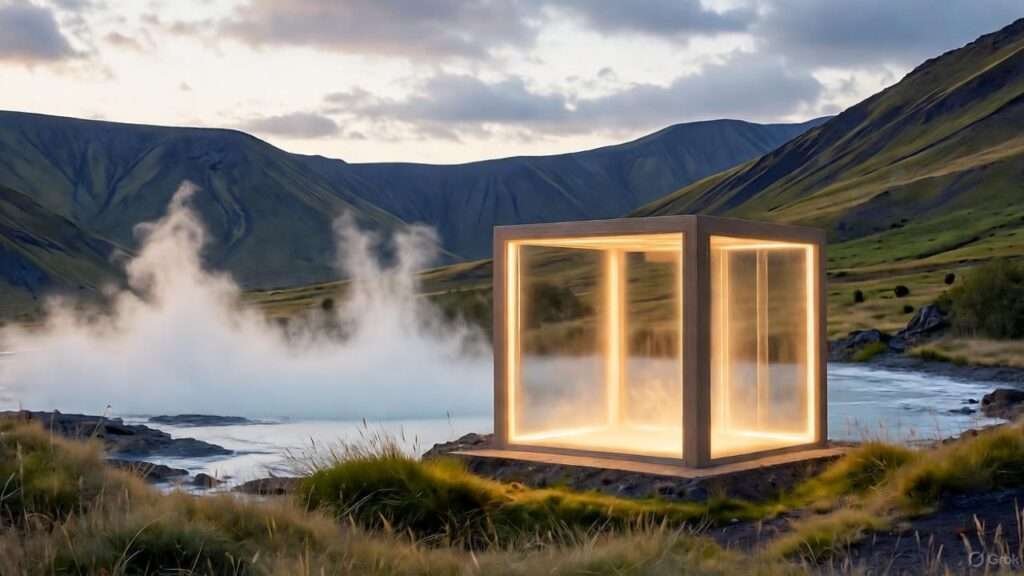
The Architecture Of Emotional Branding
Mapping The Vivid Architecture Of Emotional Branding. Disclaimer. This article serves as a conceptual lens, not a prescriptive guide. It […]
The Architecture Of Emotional Branding Read Post »

Emotional branding is the art of designing a brand experience that speaks to the heart before it ever reaches the head.
It’s less about persuasion through logic and more about sparking recognition, belonging, and aspiration, the kind that feels instinctive.
When done right, emotional branding turns a brand from something people buy into something they identify with.
At its core, emotional branding is about meaning-making. Every brand sends out signals, through visuals, language, tone, and rituals—that people interpret and internalize.
These signals don’t just describe what a brand offers; they tell a story about values, identity, and possibility. A brand that masters emotional connection doesn’t say, “this is what we sell,” but rather, “this is who you are when you’re with us.”
Unlike transactional branding, which competes on features or price, emotional branding competes on memory and feeling.
People may forget specifications, but they rarely forget how a brand made them feel in moments of joy, pride, comfort, or empowerment.
That lasting emotion is what draws them back, even when choices abound.
Dimensions of Emotional Branding:
• Symbolism: Logos, colors, and taglines act as shorthand for deeper emotional associations.
• Narrative: Stories—whether about origins, challenges, or visions of the future—invite audiences to see themselves reflected in the brand’s journey.
• Rituals: Small, repeated experiences, such as how a product is unboxed or how a welcome message sounds, become habits that reinforce emotional bonds.
• Community: Emotional branding extends beyond the individual, cultivating a shared identity among people who feel part of something larger.
The payoff is profound. Brands that achieve emotional resonance enjoy loyalty that price wars can’t unsettle.
Customers become advocates, not merely buyers, because they’re invested in what the brand represents.
Even when mistakes occur, emotionally connected audiences are more forgiving—the relationship feels human, not transactional.
Ultimately, emotional branding is the shift from utility to identity. It’s not enough for a brand to be useful; it must also be meaningful.
When people see a brand as part of their personal story, symbolizing freedom, creativity, resilience, or belonging, it transcends the marketplace.
It becomes a trusted companion in how they define themselves.
Mapping The Vivid Architecture Of Emotional Branding. Disclaimer. This article serves as a conceptual lens, not a prescriptive guide. It […]
The Architecture Of Emotional Branding Read Post »
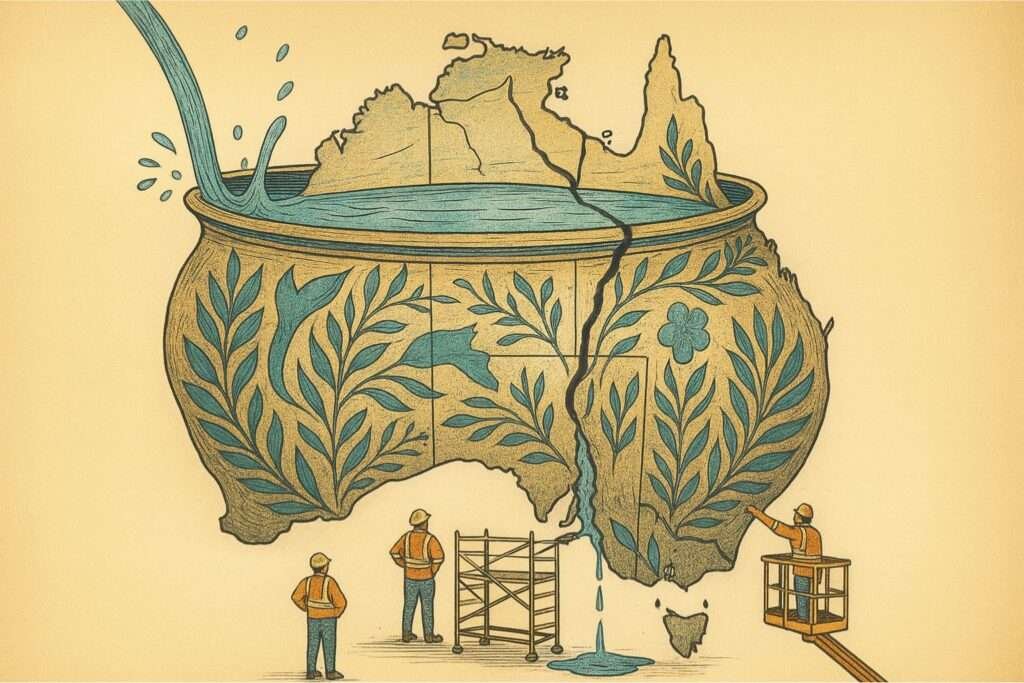
From Prosperity To Fracture And Hopes For Renewal. Disclaimer. This article reflects on Australia’s economic and industrial history through metaphor
The Cracked Vessel Is A Story About Australia Read Post »

Effective Storytelling And The Path To Ethical Marketing And Legacy Building. Disclaimer. This article is intended for informational and educational
The Power Of Authentic Brand Storytelling Read Post »

The Wedding Industry Emotional Architecture That Binds Our Lives. Disclaimer. This article is provided for educational and informational purposes only.
The Wedding Industry As A Branding Ecosystem Read Post »

When A Brand Image Can Unravel Without Substance, Disclaimer. The views, opinions, and ideas expressed in this article are solely
The Hollow Frays In Branding Read Post »

Strategic Restraint: The Hidden Superpower of Great Brands Disclaimer. This article provides general information about branding strategy and is intended
Less Than You Can And More Than They Expect Read Post »
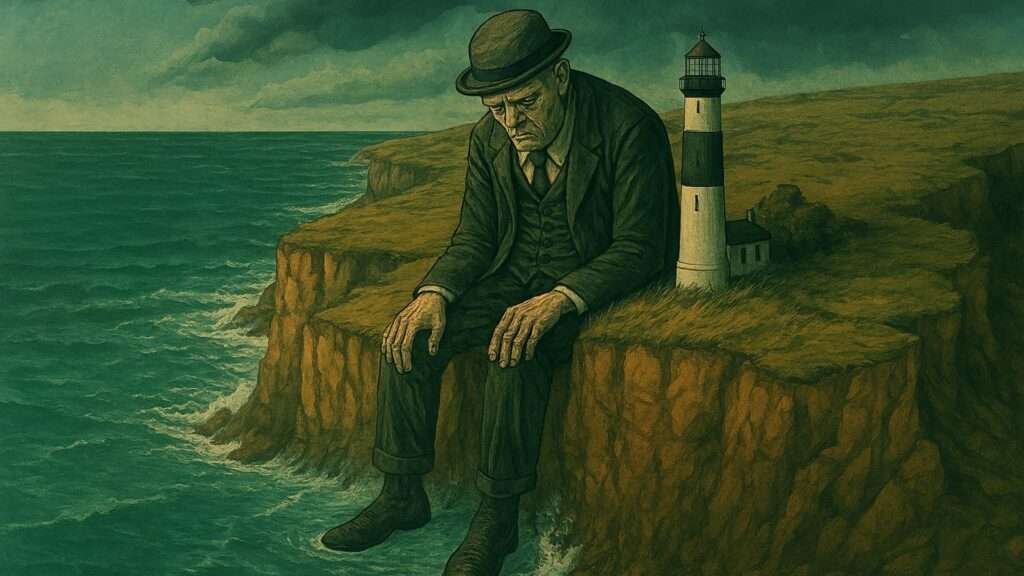
What Happens When The Giants Of Our World Forget Their Story? Disclaimer. This article is a work of strategic analysis
When Giants Forget Their Story Read Post »

50 Creative Story Angles That Will Transform Your Brand’s Marketing. Disclaimer. The information in this article is provided for general
50 Marketing And Brand Building Stories That Need To Be Told Read Post »

The Velvet Rope Strategy: Why Your Brand Should Make People Wait Outside. Disclaimer. The information in this article is provided
The Velvet Rope And How It Relates To Exclusive Marketing Read Post »

Writing Quality Articles That Will Rank And Readers Enjoy. Disclaimer. This article is for informational purposes only and does not
Writing High Value And Authoritative Content That Ranks Read Post »

Made in Australia: The Narrative Power of Manufacturing Disclaimer. This article is provided for informational and educational purposes only. The
The Storytelling Power of Australian Manufacturing Read Post »

Maximizing CRM Software – Marketing & Brand Building. This Article Is Dated September 15th 2025 Details in this article were
Maximizing CRM In Modern Marketing Read Post »

Marketing A Possible Great Inland Shift For Australia. Disclaimer. This article shares concepts and considerations I have been reflecting on
Marketing The Great Inland Shift For Australia Read Post »

Marketing The Hard Working Aussie Spirit Of The Good Old Days Disclaimer. This article provides general information and personal opinions
Revive The Aussie Spirit of the Good Old Days Read Post »

Why Every Step Matters in Building a Lasting Brand. Disclaimer. This article is for educational and illustrative purposes only and
Climbing Every Rung Of the Brand Ladder Read Post »
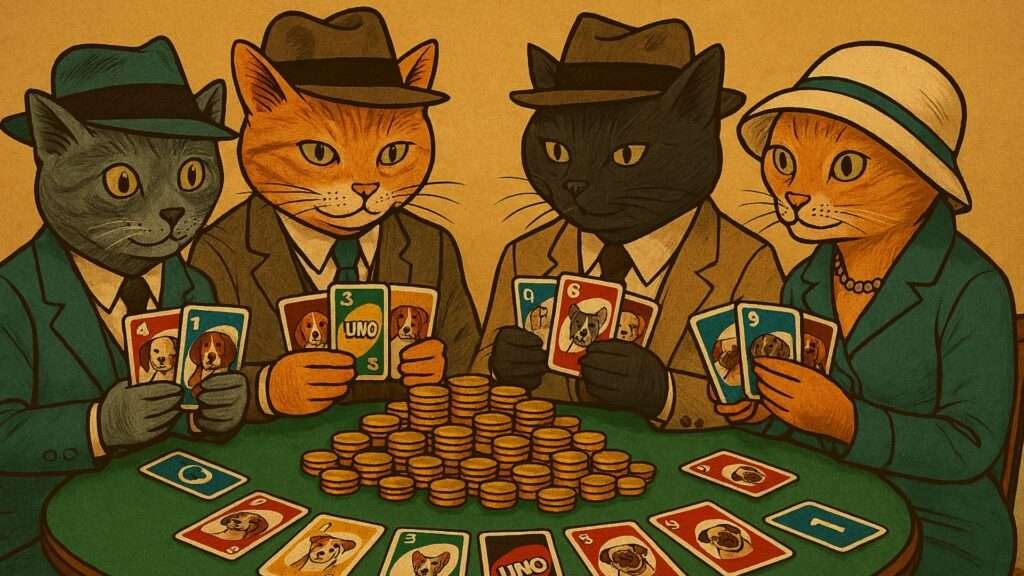
Exploring The Old Saying, “Don’t Leave Any Money On The Table. Disclaimer. This article is for general and informational purposes
Try Not To Leave Any Money On The Table Read Post »
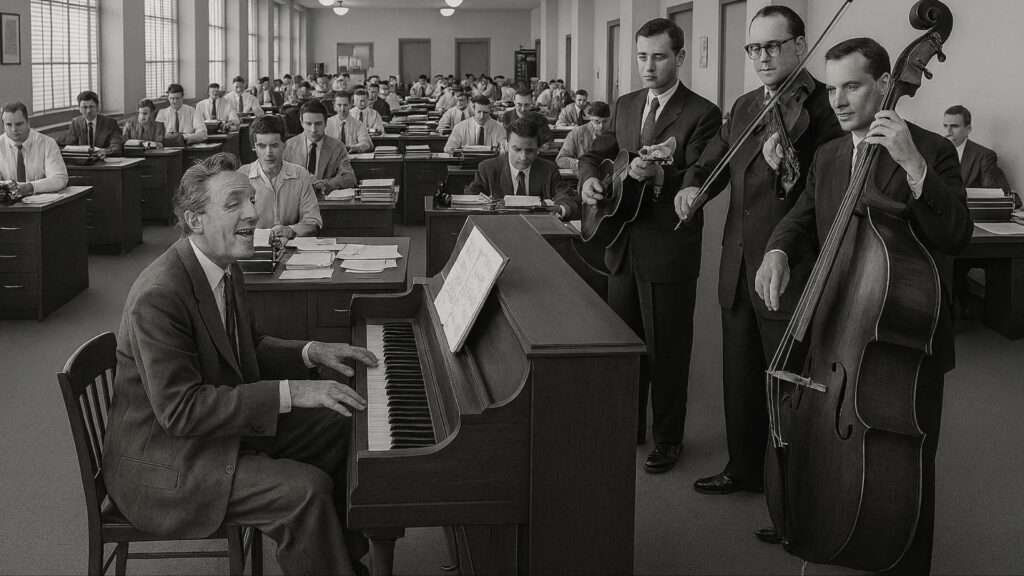
A Tribute To The Golden Age Of Advertising Jingles This article is my celebration and retrospective analysis of the golden
A Tribute To Advertising Jingles Read Post »

Writing A Marketing Book That Engages Readers. Disclaimer. This article is provided for general information and educational purposes only and
Writing A Marketing Book Read Post »

Staying Grounded In The Celebrity Fame And Fortune Spotlight. Fame and fortune are often seen as the ultimate markers of
The Celebrity Fame And Fortune Spotlight Read Post »

Author’s Note: This article reflects my personal views on the concept of “brand flipping” and is intended for educational and
What Is Brand Flipping Read Post »

The Very Clever Marketing Of Supernatural Stories. How did ancient fears and strange supernatural stories become a multi billion-dollar brand
Marketing Of Supernatural Stories Read Post »

Marketing For A Better Australian Future. What better way for an Australian marketer to put their skills to good use
Marketing A Better Australian Future Read Post »

The Intersection Of Politics And Marketing. In today’s complex media ecosystem, the once distinct realms of politics and marketing have
Politics And Marketing Read Post »